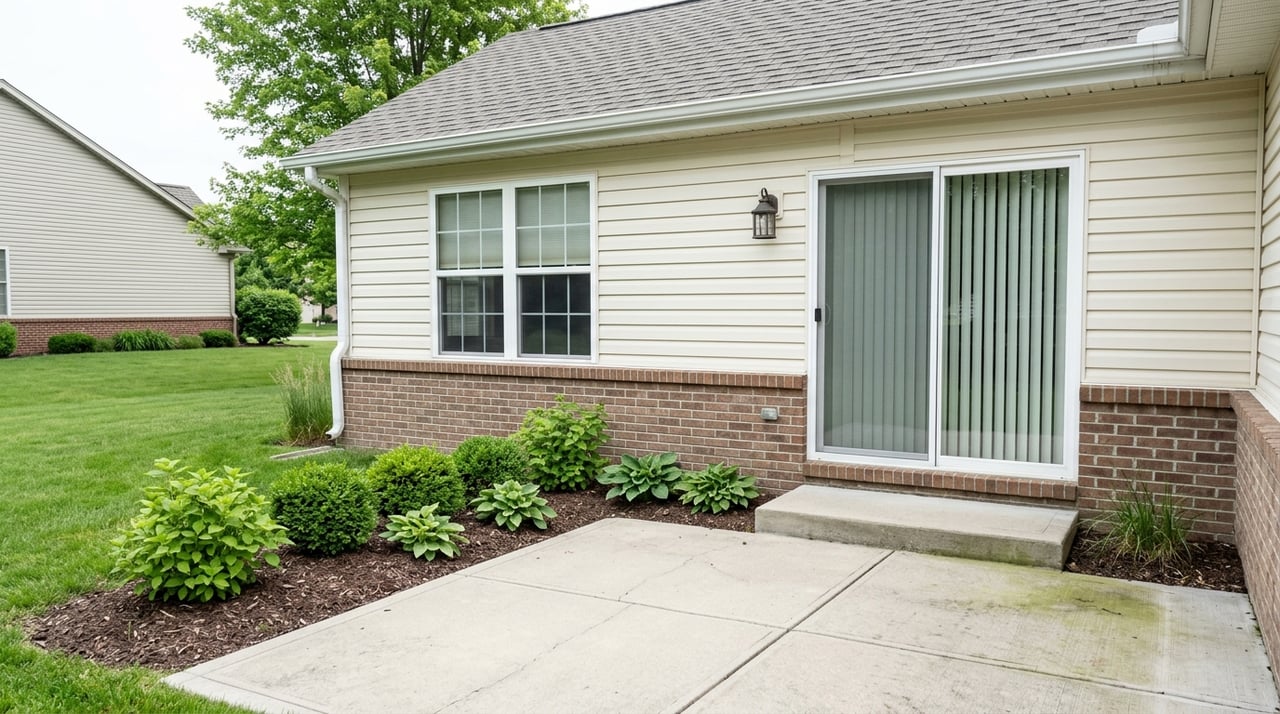
Selling A Home In Naperville: Step-By-Step Planning Guide
May 28, 2026
May 28, 2026
Thinking about selling your home in Naperville? A strong sale usually starts long before the listing goes live. If you want a smoother timeline, fewer surprises, and a pricing strategy that fits today’s market, it helps to plan each stage in advance. Let’s dive in.
Selling in Naperville is not just about putting a sign in the yard. Your timing, pricing, paperwork, and property condition all shape how your home performs once it hits the market. A step-by-step plan helps you stay ahead instead of rushing through key decisions.
Current market snapshots suggest buyer activity remains solid, but the numbers vary by source and date. Recent reports show Naperville sale prices and list prices in different ranges, with active inventory around the high 200s and homes moving anywhere from about a week to several weeks depending on the platform. That means you should treat citywide figures as direction, not a promise for your specific home.
Spring and early summer are still active periods in the Chicago metro area, based on Illinois REALTORS seasonal trends. National timing research also points to mid-April as a strong Midwest selling window, but local conditions should always come first. In Naperville, your ZIP code, updates, price point, and launch strategy matter just as much as the calendar.
Naperville is not one uniform market. It spans both DuPage and Will counties, includes multiple townships, and has homes tied to different parcel locations and administrative details. Those local differences can affect your paperwork, your closing checklist, and how buyers compare your home to nearby options.
Pricing can also shift noticeably by ZIP code. Recent Realtor.com snapshots show median list prices around $710,000 in 60540, about $667,500 in 60564, about $599,950 in 60565, and about $439,900 in 60563. That is why your pricing plan should rely on neighborhood-level comps, condition, and buyer demand for your segment, not a single citywide average.
If you have time, start early. The best pre-listing work is usually the work buyers never notice because it prevents problems later. This stage is about identifying issues, organizing records, and deciding what is worth improving before you go to market.
Focus first on items that could affect value, inspections, or financing. In Illinois, material defects are conditions that would substantially hurt value or significantly impair health or safety. That makes it smart to review known concerns such as roof problems, foundation issues, water intrusion, electrical concerns, HVAC problems, and structural defects as early as possible.
This is also a good time to gather documents you may need later. Keep permits, invoices, warranties, repair records, and any prior inspection or improvement paperwork in one place. Buyers often feel more confident when a seller can clearly document maintenance and repairs.
One of the most important parts of selling in Illinois is getting ahead of disclosures. Illinois law requires a Residential Real Property Disclosure Report to be delivered before the contract is signed. The report covers actual known material defects, and if you discover an error or omission before closing, you must provide a written supplement.
This is not a step to leave until the last minute. The form itself states that a seller may wish to consult an attorney before completing it, which shows how important accuracy can be. A rushed disclosure can create stress later during attorney review, inspection negotiations, or even before closing.
If your home has known radon test information in your possession, Illinois law requires you to provide disclosure information and the IEMA radon pamphlet before the buyer becomes obligated under a contract. The law does not require you to test or mitigate, but it does require disclosure of known information you already have.
For most homes built before 1978, federal rules also require disclosure of known lead-based paint hazards before sale. Sellers must provide the required pamphlet, a lead warning statement, and any available records or reports. Buyers must also be given a 10-day opportunity to conduct a lead inspection or risk assessment unless that right is waived.
Once your paperwork is underway, shift your focus to presentation. In a market where many homes are still selling close to asking price on average, buyers notice value quickly. That makes condition, cleanliness, and first-week marketing especially important.
Recent platform data shows sale-to-list ratios near 100 percent on average in Naperville. At the same time, buyers still have options, with roughly 278 to 290 homes for sale depending on the source. A polished launch helps your home compete from day one instead of trying to recover after a weak first impression.
You do not need to renovate everything. Instead, focus on visible improvements and repairs that reduce buyer hesitation.
Consider these pre-listing priorities:
Pricing is one of the biggest decisions you will make. In Naperville, it is especially important because the market is competitive, but not every home moves at the same speed. Some homes go pending quickly, while others sit longer depending on price, condition, and location.
Recent data suggests many well-priced homes are still selling very close to list price. That is a strong sign that pricing discipline matters more than testing the market with an aggressive number. If buyers think your home is overpriced, they have enough inventory to compare it with other options.
Affordability also matters. Illinois REALTORS reported average mortgage rates around 6.2 percent in March 2026, which can make buyers more payment-sensitive. A realistic price can help you attract better-qualified buyers and reduce the odds of a difficult re-negotiation later.
A strong first week can shape the entire listing experience. Redfin describes Naperville as a very competitive market and reports about three offers on average, while Realtor.com has called it a seller’s market in a recent snapshot. That does not mean every listing will attract a bidding war, but it does mean your launch matters.
Your goal should be broad exposure with no need for catch-up later. Professional photography, a clean presentation, accurate pricing, and a complete marketing plan help create early momentum. Buyers often watch new listings closely, so your home should look ready from day one.
This is where a full-service listing approach can make a real difference. With digital-first marketing, strong pricing analysis, and hands-on guidance, you can create a launch that fits how today’s buyers shop and compare homes.
Once offers start coming in, the best choice is not always the highest price on paper. You also want to look at financing strength, contingencies, closing timing, and how likely the buyer is to make it to the finish line. A clean offer with solid terms can sometimes be stronger than a higher offer with more risk.
Inspection prep matters too. Illinois disclosure rules remain important after you go under contract, because if you learn about an error or omission before closing, you must provide a written supplement. That is one reason sellers should keep records organized and be ready to answer questions clearly.
Closing in Naperville includes local administrative details that sellers should not ignore. For properties inside the incorporated City of Naperville, a real estate transfer tax stamp or exempt stamp must be recorded with the county. The city states that online applications are typically reviewed within three business days, and users should allow about seven days before the stamp is needed.
Naperville also advises buyers and sellers to check for outstanding building permits, code enforcement actions, and fines before transfer. Statements of open accounts should be requested at least seven business days before closing. These are great examples of why local coordination should begin early, not after the final walkthrough is already on the calendar.
The city notes that the buyer is responsible for the transfer tax stamp on properties inside city limits, but sellers still benefit from understanding the process. Delays in paperwork or recording can affect the closing timeline even when the issue is not technically your cost.
The smoothest home sales usually come from early planning, clear disclosures, accurate pricing, and a strong launch. In Naperville, that also means paying attention to local details like county administration, transfer-stamp timing, and neighborhood-specific pricing. When you treat the sale like a process instead of a single event, you give yourself more control at every stage.
If you are thinking about selling in Naperville, the best next step is to build a strategy around your home’s condition, timing, and likely buyer pool. For guidance on pricing, prep, and a smart listing launch, connect with Alejandro Trujillo.

With a focus on continuing to educate their agents and continued attention to an amazing culture they have built, Alejandro & Mike have a huge vision for RE/MAX NEXT and their clients and work every day to achieve it.

ALEJANDRO TRUJILLO
LAKEVIEW 3401 N Broadway St Chicago IL 60657 GOLD COAST 1207 N Dearborn St Chicago IL 60610