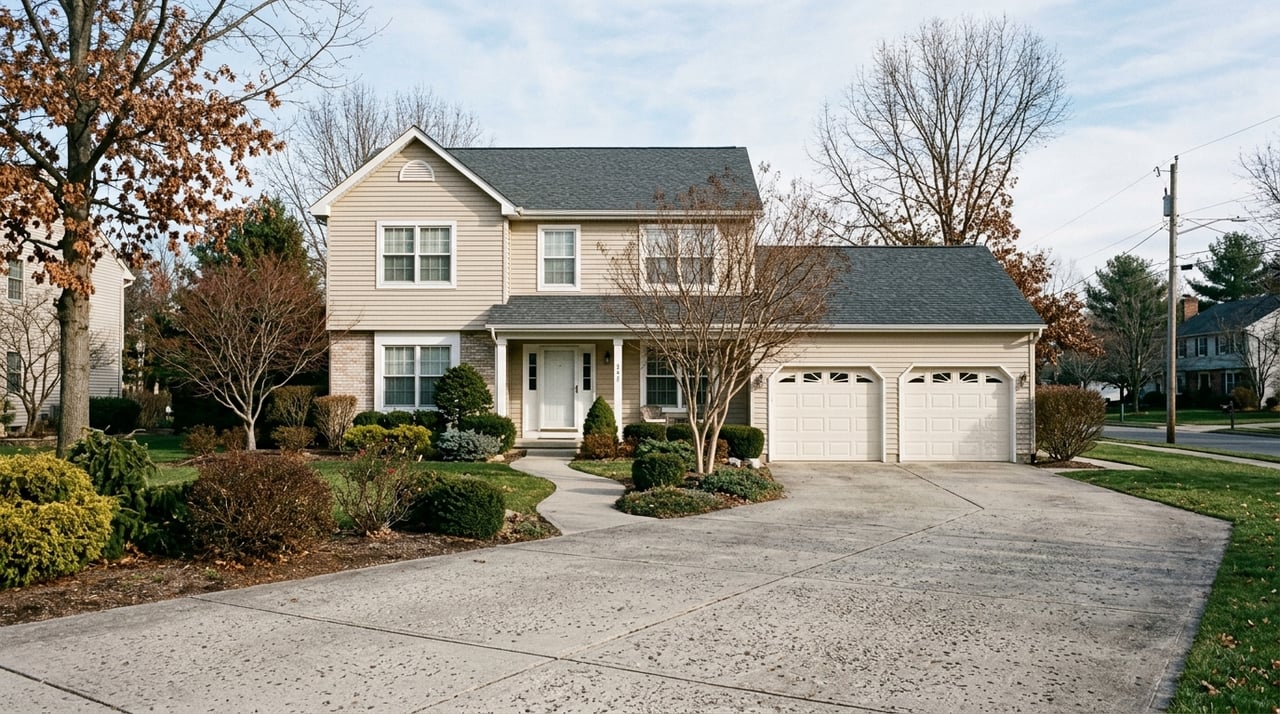
Westchester Home Pricing Strategy for Today’s Market
May 7, 2026
May 7, 2026
If you price your Westchester home too high, you may lose the most valuable window in your sale: the first few weeks on the market. If you price it too low without a clear strategy, you could leave money on the table. In today’s Westchester market, the right price is less about guesswork and more about reading the data, your competition, and your home’s condition with clear eyes. Let’s dive in.
Westchester is a small, owner-heavy market, and that matters when you set a list price. With about 16,892 residents, 6,908 households, and a homeownership rate above 90%, the village has a narrower pool of truly comparable sales than a larger suburb would. That means small pricing mistakes can stand out quickly.
Current market data also shows that buyers are paying close attention. Public reports place Westchester in a mid-$300,000s to low-$400,000s range, with median list prices around $382,500 to $383,067 and a median sale price of $401,000 in March 2026. Homes have also been moving relatively fast, with median days on market or days to pending in roughly the low-to-mid teens.
That speed does not mean you can name any price and expect buyers to follow. Broader Chicago metro data shows a March 2026 median sale price of $375,000 and about 31 days on market, while the average 30-year fixed mortgage rate was 6.30% at the end of April 2026. In plain terms, buyers are active, but they are still very sensitive to monthly payment.
The foundation of a smart list price is a strong set of comparable properties, often called comps. That usually includes homes that recently sold, homes that are under contract, and homes currently listed for sale. Together, those data points help show what buyers have paid, what they are choosing now, and what options they can compare against your home today.
But not every sale in Westchester is a good comp for your property. A useful comp should be close in size, style, condition, lot characteristics, and location. If your home is a well-updated split-level, comparing it to a dated ranch in another part of the village may create the wrong pricing range.
This is where local nuance matters. Even within Westchester, value ranges can differ by micro-location. For example, Zillow’s Westchester data shows Yorkfield at a higher typical value than Belmont Terrace, which is a reminder that two homes in the same village may not belong in the same pricing bucket.
Sold comps matter, but they are only part of the story. Your list price also needs to make sense against the homes buyers can tour right now. In Westchester, current inventory has been reported at roughly 37 to 42 active listings depending on the source and date.
That means buyers usually have options. If your home is priced above similar active listings with equal or better condition, buyers may skip it before they ever schedule a showing. In a market where homes can move in under three weeks, a listing that feels overpriced can start to look stale faster than many sellers expect.
A good pricing strategy asks a simple question: when buyers line up your home next to nearby alternatives, does your price feel justified? If the answer is not a clear yes, it may be time to adjust before the listing goes live.
Two homes with similar square footage can still sell at very different prices. Condition, updates, repairs, and presentation often shape how buyers react before they even step inside. In a market like Westchester, that can directly affect both showing activity and offer strength.
When pricing a home, you should account for improvements that buyers can clearly see and value. Updated kitchens, modern baths, newer mechanicals, and a well-maintained exterior may support a stronger asking price. On the other hand, deferred maintenance, aging finishes, or repair needs may call for a more conservative number.
This is also why preparation matters. If you plan to list soon, it helps to think through what can realistically be improved before showings begin. Even modest repairs or cleanup can shift buyer perception and help support a cleaner pricing story.
One of the most overlooked parts of pricing is appraisal support. Even if a buyer loves your home, the deal still has to make sense to the lender in many financed transactions. If the agreed price comes in above appraised value, that can lead to renegotiation, a cash gap issue, or even a canceled contract.
That is why list price should not be based on your ideal outcome alone. It should also be grounded in a price range that a lender’s appraiser can reasonably support based on the market data. In a rate-sensitive environment, that discipline matters even more.
For sellers, this can be a real advantage. A home priced with appraisal support in mind is often better positioned to move from accepted offer to closing with less friction.
This is the most common mistake, and it can cost you both time and leverage. According to NAR guidance in the research, homes priced more than 3% above the correct price tend to take longer to sell. In a market where buyers can compare multiple homes in a similar price band, that extra stretch can hurt more than many sellers realize.
A high starting number may sound like a safe way to leave room for negotiation, but it can backfire. If showings are slow or offers do not come in, you may end up making price cuts after the listing has already lost momentum. Buyers often notice those reductions and may wonder what is wrong, even when the real issue was the original pricing.
A lower list price can be a valid strategy, but it should be intentional. If your goal is to move quickly, a more competitive price may help attract strong attention early. But if the number is too low for your timeline and goals, you may give away negotiating room you did not mean to lose.
The key is to match the price strategy to your actual priorities. Are you trying to maximize price, minimize time on market, or balance both? Your answer should shape the list price from day one.
Sellers sometimes price based on what the home could be worth after updates rather than what buyers see today. That can create a gap between expectation and reality. Buyers compare your home as-is against the homes already available to them now.
If your home needs work, that does not mean you cannot sell successfully. It means the price should reflect the home’s current position in the market. Honest condition adjustments often lead to stronger interest and fewer surprises during negotiations.
Before you settle on a number, it helps to walk through a practical pricing conversation. In Westchester, these five questions can help you pressure-test your strategy:
These questions keep the conversation focused on the market, not emotion. That matters because pricing is not just about what you want your home to be worth. It is about what today’s buyers are likely to support.
A strong Westchester pricing strategy usually blends three things: recent sold comps, current active competition, and realistic condition adjustments. Then it adds a final check for appraisal support and buyer affordability. That process helps you enter the market with a number that is competitive, defensible, and aligned with your goals.
In today’s market, that approach can help protect your days on market and preserve your negotiating position. Guessing high and cutting later often creates more stress and less leverage. Thoughtful pricing from the start gives you a better chance to attract serious buyers while your listing is still fresh.
If you are thinking about selling in Westchester, the best next step is to look at your home through the same lens buyers, lenders, and the market will use. For a clear, local pricing strategy built around current data and real-world positioning, connect with Alejandro Trujillo.
With a focus on continuing to educate their agents and continued attention to an amazing culture they have built, Alejandro & Mike have a huge vision for RE/MAX NEXT and their clients and work every day to achieve it.

ALEJANDRO TRUJILLO
LAKEVIEW 3401 N Broadway St Chicago IL 60657 GOLD COAST 1207 N Dearborn St Chicago IL 60610