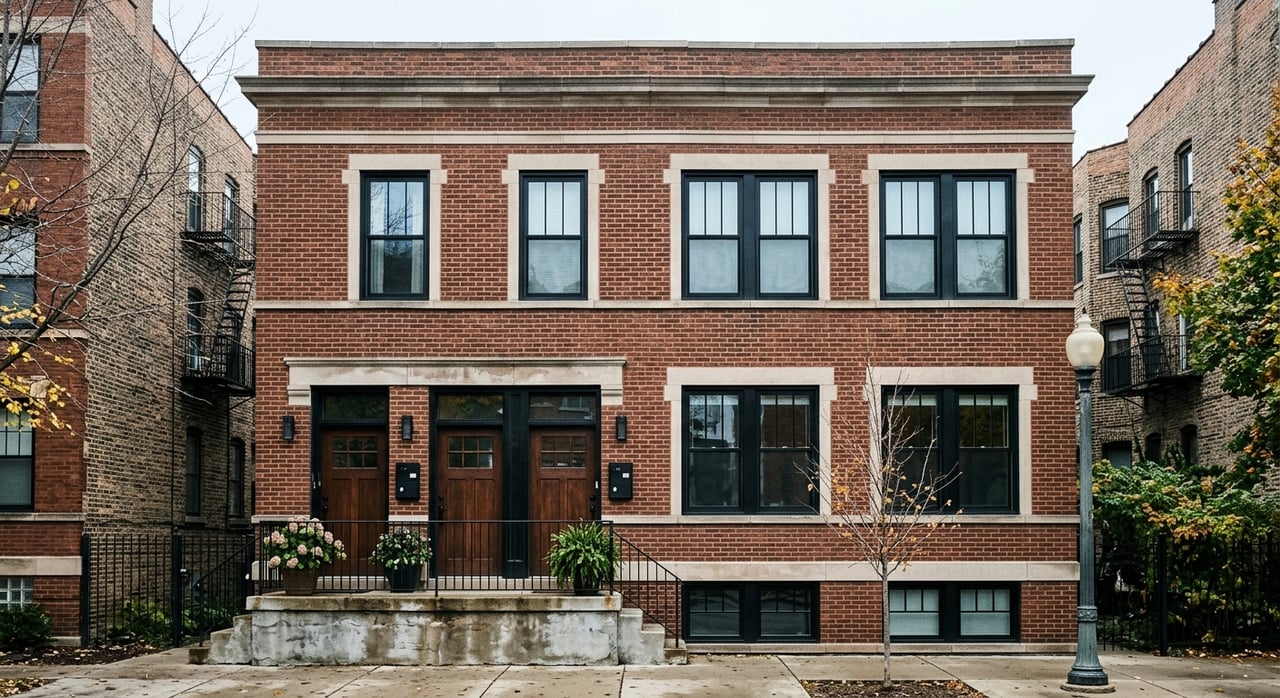
Chicago House Hacking Duplex & Multi-Unit Strategies
April 16, 2026
April 16, 2026
Curious whether your first Chicago property could help pay for itself? That is the basic appeal of house hacking, and for many beginners, a two-flat, three-flat, or four-unit building can be a practical way to start. If you want to live in one unit, collect rent from the others, and learn the ropes without jumping straight into a larger investment, this guide will walk you through the basics. Let’s dive in.
In simple terms, house hacking means buying an owner-occupied property, living in one unit, and renting out the other unit or units to help offset your monthly housing cost. In this beginner-focused context, the strategy typically involves a one- to four-unit property.
That structure matters because owner-occupied financing can apply to one- to four-unit principal residences. According to HUD’s FHA loan guidance, FHA-insured financing is available for one- to four-unit homes when the property is your principal residence.
For many Chicago buyers, the real advantage is that the plan combines owner-occupant loan options with rental income from the other units. Freddie Mac’s guidance explains that for two- to four-unit properties, rental income may be documented using signed leases, or estimated from the appraisal when there is no active lease in place, as outlined in Freddie Mac’s rent documentation guidance.
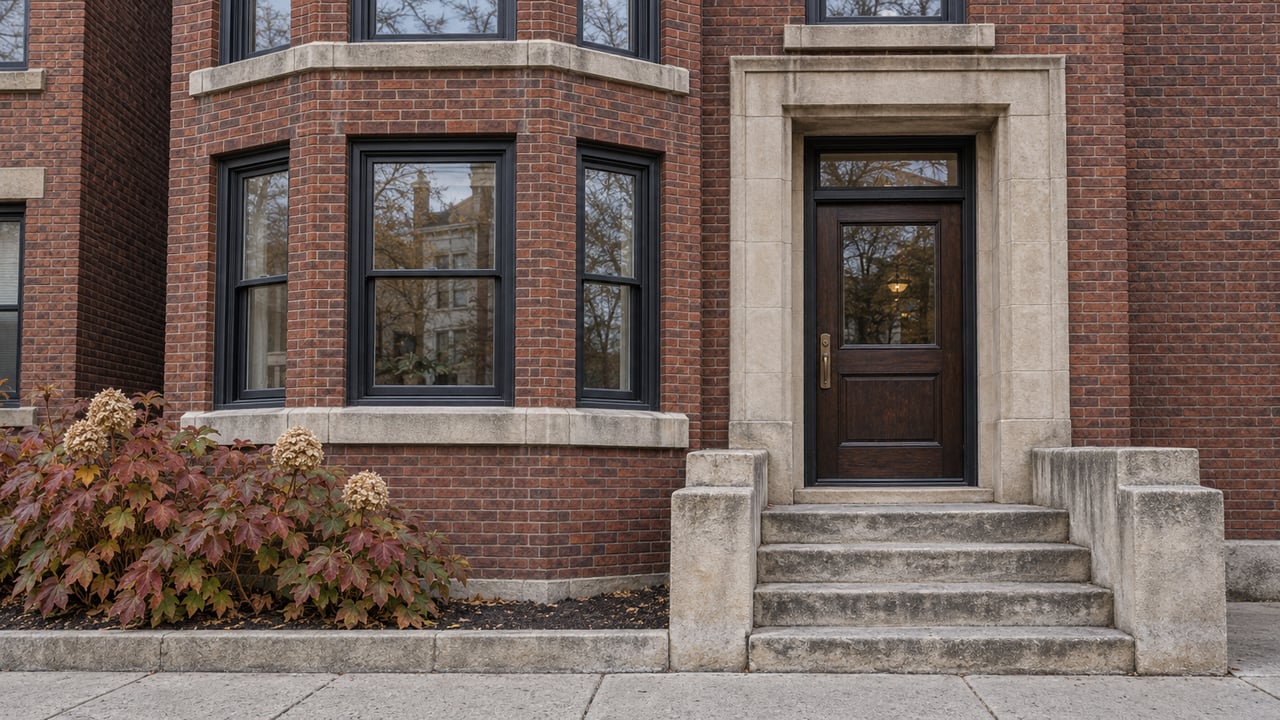
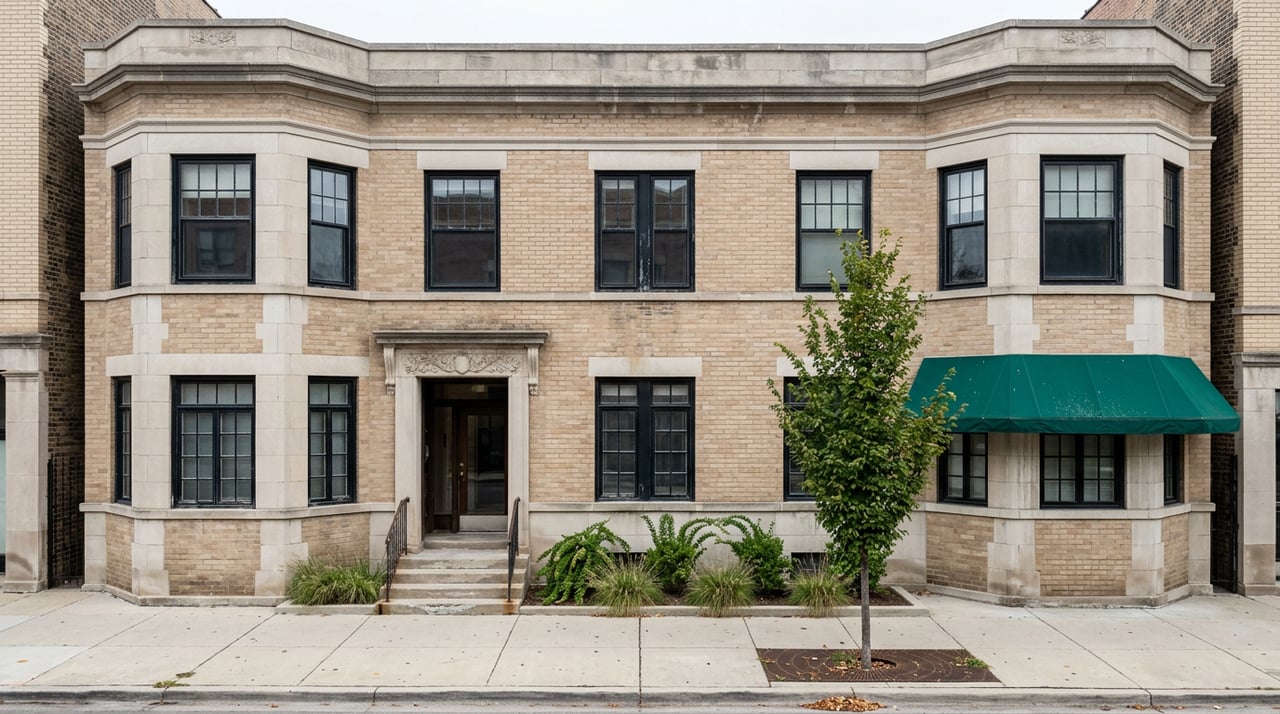
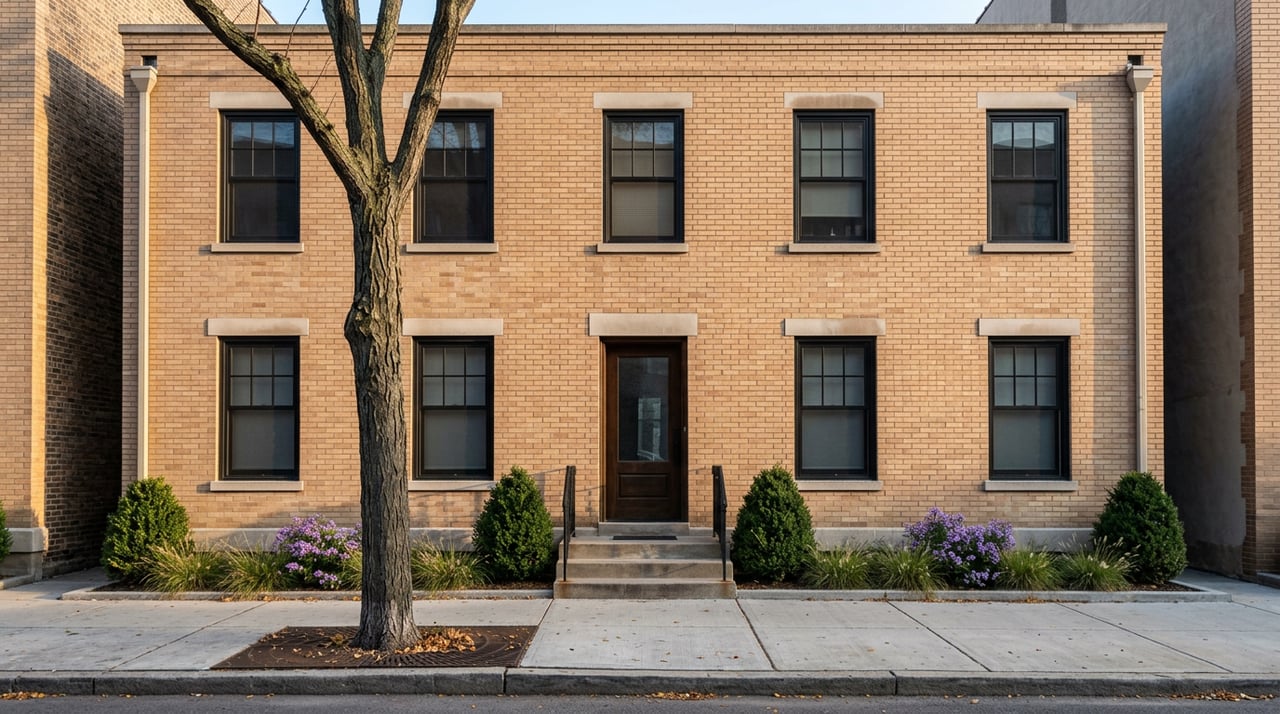
Chicago gives you a large mix of housing stock, including many smaller multi-unit properties that fit the house hacking model. If you are a first-time buyer or a new investor, that can create an easier entry point than buying a standalone rental property without owner-occupant financing.
The biggest beginner benefit is monthly cost relief. If one or more tenants are contributing rent, your total housing payment may feel more manageable than carrying the full cost alone.
There is also a learning advantage. When you live on-site, you get firsthand experience with maintenance, leases, and tenant communication while keeping your investment close at hand.
For most beginners, the clearest fit is a two-unit, three-unit, or four-unit property where you occupy one unit as your primary residence. That setup aligns with the owner-occupied financing rules discussed above and gives you room to offset costs with rent.
A two-unit property can feel like the simplest starting point. You have one tenant household to manage, and the property is often easier to understand from both a budgeting and maintenance standpoint.
A three- or four-unit building may create more rental income, but it can also bring more moving parts. You may have more leases, more turnover risk, and more maintenance coordination, so it helps to be realistic about your time, cash reserves, and comfort level.
For many beginners, FHA is the first program to review. HUD states that the FHA down payment can be as low as 3.5% for one- to four-unit properties under its basic 203(b) program when the property will be your principal residence.
That lower down payment can make a multi-unit purchase more accessible, especially if you are trying to buy in Chicago while keeping some cash available for repairs, reserves, or move-in costs. Still, the property has to meet lender and program standards, so it is smart to review the building’s condition early.
Conventional financing can also work for house hacking. Fannie Mae says that for principal residences with two to four units, a 3% borrower contribution is required when the LTV, CLTV, and HCLTV ratios are 80% or less, while ratios above 80% require a 5% minimum contribution, according to the Fannie Mae selling guide.
For some buyers, conventional financing may be a strong option if the numbers, credit profile, and down payment all line up. The best fit often depends on your full financial picture and the property itself.
Before you start touring buildings, verify the current limit that applies to the property type you want. The CFPB notes that FHA loan limits are higher for multiple-unit properties and directs borrowers to HUD’s county lookup tool, so buyers in the Chicago area should confirm the current threshold for Cook County using the CFPB guidance on FHA loan limits.
This step is easy to overlook, but it can save time. If your target price range is above the relevant limit, you may need a different financing plan.
House hacking only works well if the rent side of the plan is realistic. For a two- to four-unit property, Freddie Mac states that rental income from non-owner-occupied units is entered from signed leases, or estimated from the appraisal report if no lease exists, based on its two- to four-unit rental income guidance.
That means your lender will not just take a guess at future rent. They will look for documentation that supports the income being used in the file.
As a beginner, this is where careful deal analysis matters. You want to understand the current leases, vacancy status, and whether the appraised market rent supports your plan before you commit.
If you house hack in Chicago, you are not just a homeowner. You are also stepping into the role of housing provider, which comes with local legal responsibilities.
One major area is security deposits. Chicago requires landlords to keep security deposits in a federally insured interest-bearing account in an Illinois financial institution, provide required disclosures, issue a receipt, pay interest after a deposit has been held for more than six months, and return the deposit within the required timeline, as detailed in the Chicago Residential Landlord and Tenant Ordinance rules on security deposits.
Those rules are serious. The same Chicago ordinance states that failure to comply can trigger damages equal to two times the security deposit plus interest.
Lease paperwork also matters. Chicago requires a summary of the Residential Landlord and Tenant Ordinance to be attached when a written rental agreement is first offered, including renewals, under the city’s lease summary requirement. The research also notes that starting January 1, 2026, Illinois requires the Summary of Rights for Safer Homes to be the first page of every written residential lease, with tenant acknowledgments on that summary.
A strong house hacking plan also includes a consistent and lawful screening process. Illinois’ Human Rights Act protects renters, buyers, and borrowers from discrimination on protected bases, including race, color, national origin, religion, sex, disability, and presence of children, among others, according to the Illinois Department of Human Rights fair housing training page.
HUD’s 2024 screening guidance, as referenced in that fair housing source, says tenant screening policies should be written, public, and specific. It also says housing providers should not use name-only matching or consider records outside their stated policy.
For beginners, the takeaway is simple: be consistent, document your process, and use the same standards for every applicant. That protects both you and the people applying.
The right Chicago multi-unit is not just about rent potential. You also need to look closely at vacancy status, condition, and any repair or permit issues that could affect your timeline and costs.
Chicago has specific rules for vacant buildings. The city says that a single-family home or residential building with fewer than 10 units is considered vacant and must be registered within 30 days if no one is legally living there and no former resident intends to return within six months, according to the City of Chicago vacant building requirements.
Owners of vacant buildings must also secure openings, insure the property, register it, post contact information, maintain the property, and renew the registration every six months. If you are considering an empty two-flat or a distressed three-unit building, this is a key item to review before closing.
A fixer-upper can look appealing on paper, but rehab timing and permit requirements can change the deal. Chicago’s permit system is separate from lending and leasing, and the city’s permit portal is where applicants start and manage permits.
If you are buying a property that needs renovation, confirm what work may require permits and how that timing could affect move-in or leasing. This is especially important if your financing plan depends on occupying one unit quickly.
Some beginners think they can live in one unit and rent another by the night. In Chicago, that is a separate issue from traditional leasing.
If you plan to use short-term rentals instead of standard leases, Chicago applies a separate Shared Housing Ordinance and maintains a list of buildings excluded from short-term rental activity. If your strategy depends on nightly rentals, confirm those rules before you buy.
If you want to house hack in Chicago, keep your first purchase simple and well-documented. A clean beginner plan often looks like this:
This strategy can be a smart first step, but it works best when the property, financing, and management responsibilities all line up. The goal is not just to buy a building. It is to buy one you can actually operate with confidence.
If you are thinking about house hacking in Chicago, working with an advisor who understands both owner-occupied buying and multi-unit analysis can help you avoid expensive mistakes. When you are ready to explore beginner-friendly options, connect with Alejandro Trujillo for guidance on evaluating Chicago multi-unit opportunities with a practical, numbers-driven approach.
With a focus on continuing to educate their agents and continued attention to an amazing culture they have built, Alejandro & Mike have a huge vision for RE/MAX NEXT and their clients and work every day to achieve it.

ALEJANDRO TRUJILLO
LAKEVIEW 3401 N Broadway St Chicago IL 60657 GOLD COAST 1207 N Dearborn St Chicago IL 60610