Wicker Park 2-Flat Investment Guide for Smart Buyers
May 21, 2026
May 21, 2026
If you have ever thought, "Could a Wicker Park building help me live in one unit and earn income from the others?" you are asking the right question. In this neighborhood, two-flats and three-flats are not just old Chicago buildings. They are scarce, character-filled assets that can support both long-term ownership goals and rental income. If you are weighing your first house hack or your next small multifamily buy, this guide will help you look at Wicker Park through a smarter investment lens. Let’s dive in.
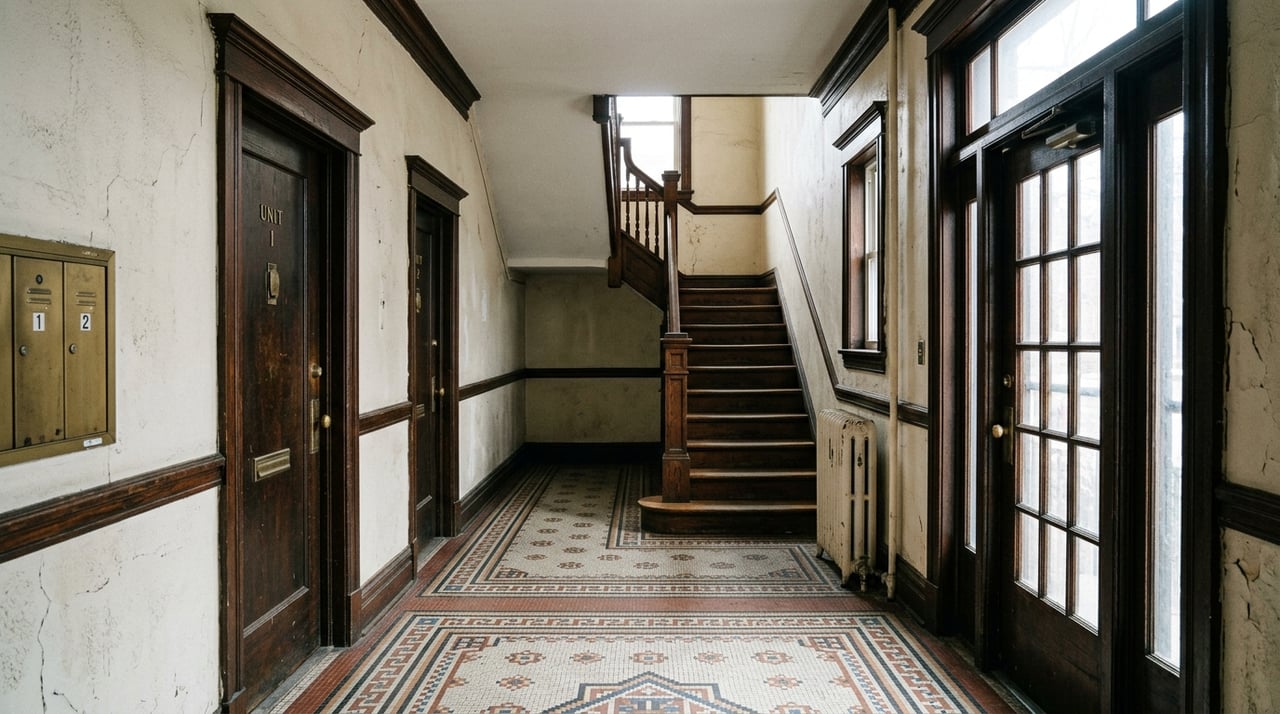
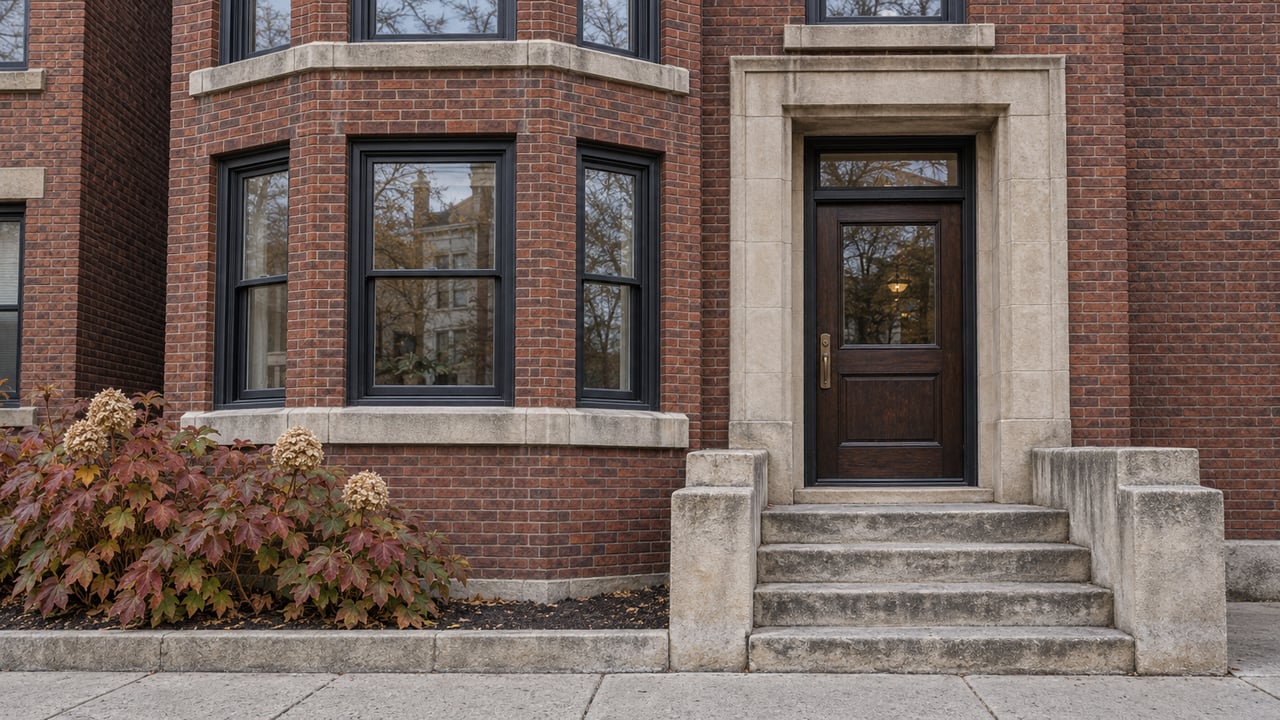
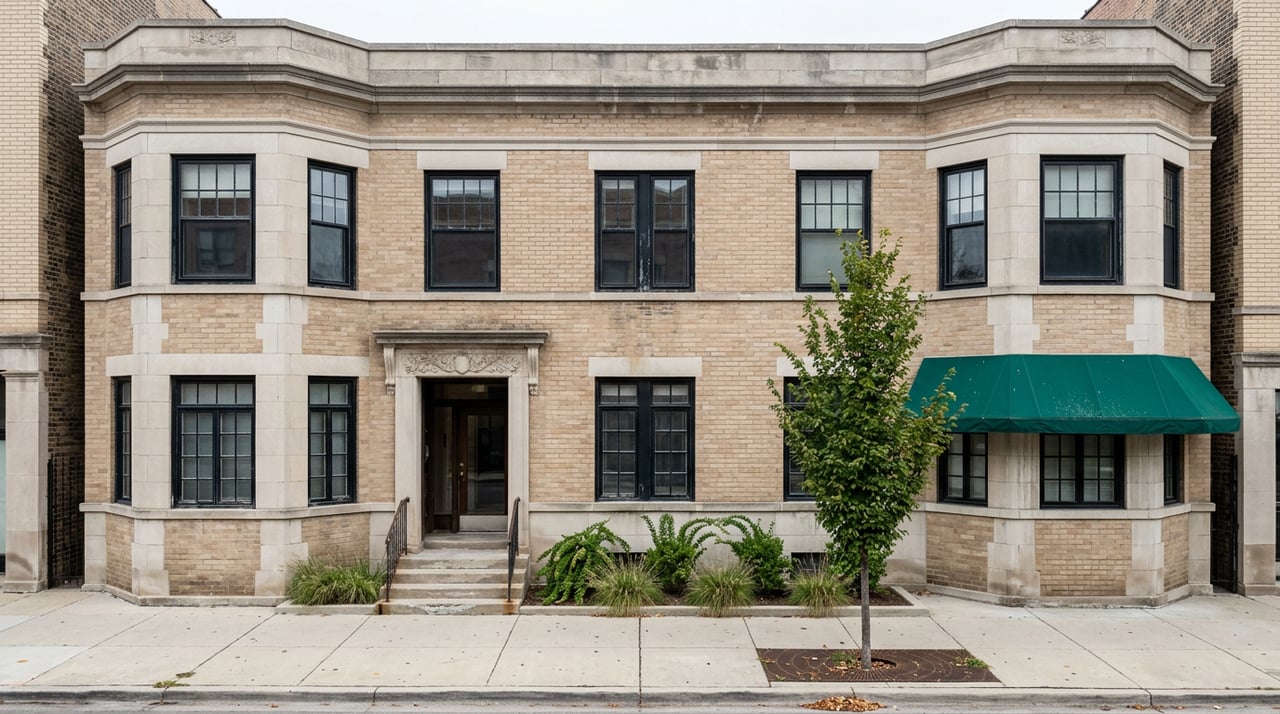
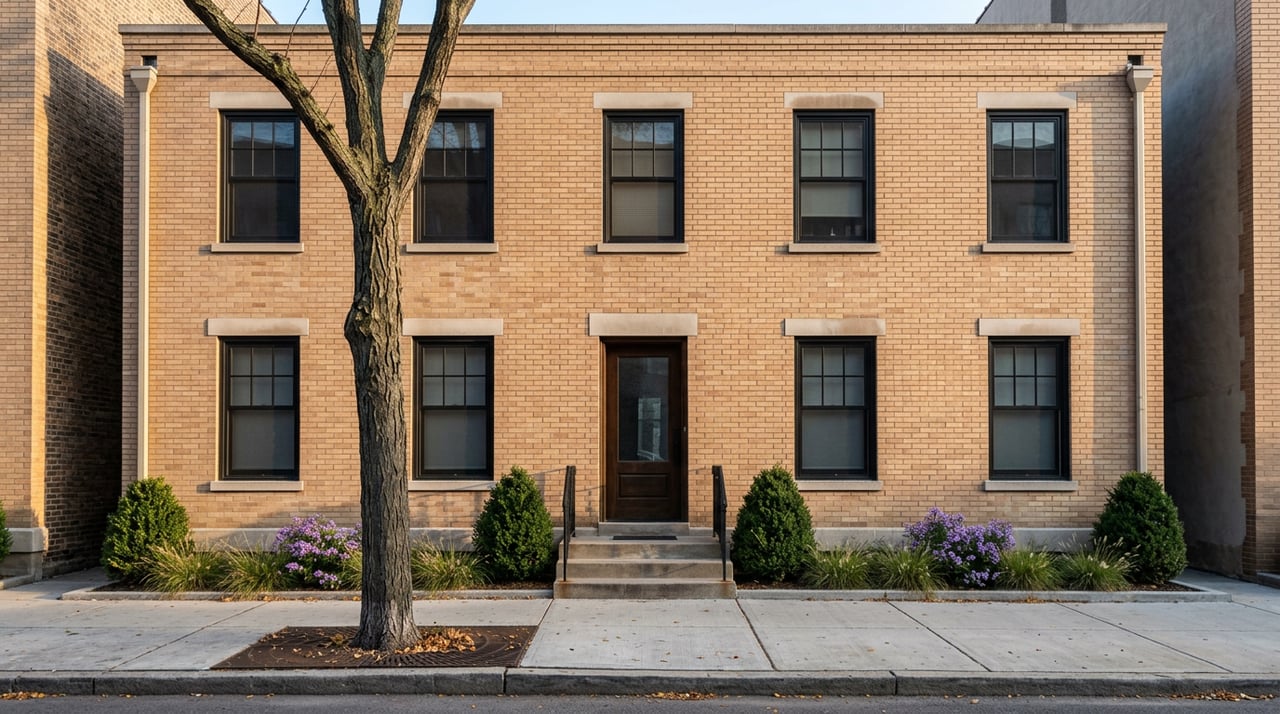
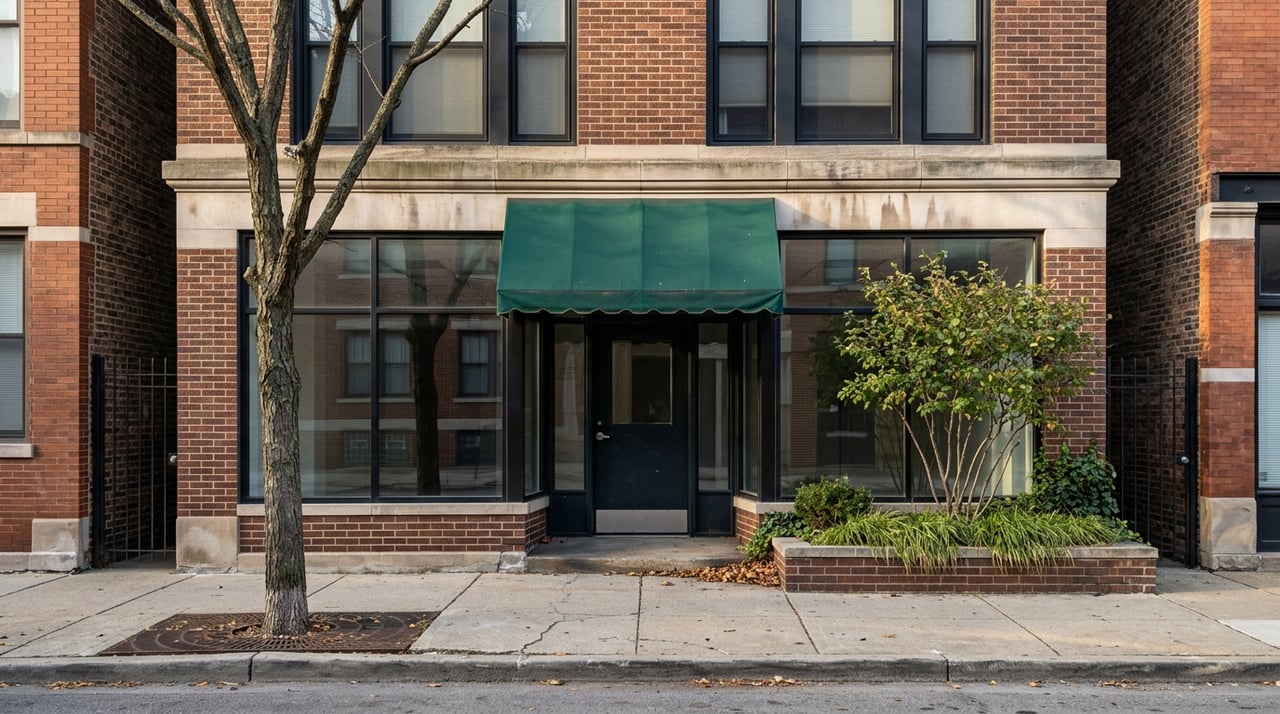
Wicker Park’s two-flats and three-flats are part of a classic Chicago housing type. According to the Chicago Architecture Center, most were built between about 1900 and 1918, often in brick or stone with bay windows, narrow lots, and one apartment per floor.
That matters because you are usually not buying a generic apartment building. You are buying a vintage, location-driven property where the value often comes from a mix of architectural character, rental flexibility, and limited replacement supply. New two-flats are rarely built today, so existing inventory can stay tight.
The Wicker Park/Bucktown master plan also describes the area’s residential streets as a mix of red-brick two-flats, three-flats, townhouses, and Chicago cottages. In practical terms, that gives you a neighborhood where this housing type feels native to the streetscape rather than out of place.
If you are investing in Wicker Park, you need to start with one reality: this is a high-cost, high-demand market. Redfin reported a median sale price of $634,900 in March 2026, while Realtor.com showed a $650,000 median listing price and labeled the area a seller’s market.
Small multifamily inventory also looks limited. Redfin reported only two multifamily homes for sale, with a median listing price of $1.38 million. Compared with the Chicago citywide median sales price of $409,200 reported by Illinois REALTORS in March 2026, Wicker Park clearly trades at a premium.
For buyers, that means you should expect competition when a well-located building hits the market. For investors, it means you need a clear plan before you tour, underwrite, and offer.
Rental demand is a major part of the story. Realtor.com reported a median rent of $2,950 per month in Wicker Park, with 95 rentals and a 9.26% year-over-year increase.
Other rental sources vary, but they point in a similar direction. RentCafe reported an average rent of $2,694, with asking ranges of $1,850 to $6,495 for two-bedrooms and $2,250 to $4,995 for three-bedrooms. Zillow listings also showed examples like $3,395 for a two-bedroom and $3,800 for a three-bedroom.
These numbers are best treated as directional, not interchangeable. Still, they suggest that updated, well-located units may support strong asking rents, which is key when you are evaluating monthly carrying costs and long-term returns.
For many buyers, a two-flat or three-flat is appealing because it can blend homeownership and income. That has been true for this building type for generations, and it is still one of the biggest reasons people target small multifamily properties in neighborhoods like Wicker Park.
If you live in one unit and rent the others, that rental income may help offset your mortgage and operating costs. It can also give you a more flexible path into a neighborhood where single-family and condo pricing may feel out of reach.
This strategy works best when you treat the purchase like both a home and a business decision. You want a building that fits your lifestyle, but you also want a property that pencils out with realistic rents, repairs, taxes, and vacancy assumptions.
Your financing strategy can shape what is possible from day one. If you plan to occupy one of the units, both FHA and conventional owner-occupied options may come into play.
HUD says FHA loans can be used for one- to four-unit owner-occupied properties, with down payments as low as 3.5%. That can make a two-flat or three-flat more accessible than many buyers expect.
For three- and four-unit FHA purchases, there is an added self-sufficiency test. The mortgage payment divided by net self-sufficiency rental income cannot exceed 100%, and the appraisal’s fair-market rent plus vacancy and maintenance adjustments are part of that calculation.
Conventional financing may also offer useful options. Fannie Mae says its HomeReady program allows two- to four-unit principal residences with a 3% minimum contribution, and rental income from a two- to four-unit primary residence may be used in qualifying, subject to underwriting rules.
If you will live in the property as your principal residence, the Cook County Assessor says the Homeowner Exemption can reduce equalized assessed value by $10,000. It does not erase your tax bill, but it may improve your monthly carrying-cost picture.
That is one more reason owner-occupied buyers should compare financing, taxes, and rental income together rather than looking at the purchase price alone.
A handsome brick building on a great block can still hide costly issues. In Wicker Park, the architecture may be a big part of the appeal, but your offer should be built on records, not assumptions.
Chicago’s building-records portal says permit and inspection data are informational only. A permit does not prove work was completed correctly, and the lack of alleged violations does not prove the building complies with code.
That means your due diligence should go beyond a quick review of the listing sheet. Vintage buildings can perform well, but they often require a more careful look at legality, maintenance history, and prior renovation work.
Before you move forward on a Wicker Park two-flat or three-flat, ask questions like these:
These are not small details. They can affect financing, insurance, rent potential, resale value, and how much unexpected work you take on after closing.
One of the biggest issues in small multifamily purchases is assuming extra space counts as legal living area when it may not. Chicago zoning and building rules make it important to verify exactly what is approved.
That is especially true if a listing mentions a garden unit, attic unit, coach house potential, or expanded living area. Before you assign value to that space, confirm the legal unit count and whether the configuration matches city records.
The same caution applies to older renovation work. Chicago’s building code says some minor repairs in existing residential buildings with three or fewer dwellings and no more than three stories may not require a permit, but larger or more sensitive work can be permit-related. Structural changes, porch work, and major system updates deserve close review.
Parking can matter in Wicker Park, but you should not assume every setup is allowed. Chicago zoning says that in all R districts, parking serving detached houses, two-flats, and three-flats that is accessed directly from a public street must be set back at least 20 feet from the front property line.
That rule matters if you are counting on front parking or thinking about creating it later. What looks convenient in a marketing photo may not always align with what zoning allows.
Zoning district details matter too. Chicago zoning says RT districts are intended for detached houses, two-flats, townhouses, and low-density multi-unit buildings in mixed-housing areas. If your investment thesis depends on adding units or expanding usable space, zoning verification should happen early.
If you plan to live in one unit and rent the others, Chicago’s landlord rules still deserve your attention. The Chicago Residential Landlord and Tenant Ordinance excludes dwelling units in owner-occupied premises containing six units or fewer from chapter 5-12, but certain sections still apply to rented units.
The ordinance also requires 60 days’ written notice for residential tenancies of six months to three years when a landlord is terminating a periodic tenancy, not renewing a fixed-term lease, or increasing rent. If you are stepping into a building with existing tenants, these timelines can affect your transition plan.
This is one reason investor-minded buyers should review leases, dates, deposits, and occupancy plans before they commit. A good-looking rent roll is only part of the picture.
When you assess a two-flat or three-flat here, focus on three layers at the same time:
Ask how strong the block, transit access, and neighborhood demand appear today. In a scarce submarket like Wicker Park, location can support both rent resilience and resale demand.
Look at age, condition, mechanicals, roof, masonry, porches, and record history. Vintage charm can be a plus, but deferred maintenance can quickly reshape your budget.
Use realistic rent assumptions, not best-case ones. Compare current leases with the broader rental ranges reported in the market, then test your numbers against vacancy, repairs, taxes, and financing.
A deal can look great on paper and still miss your goals if one of those layers is weak. The strongest purchases usually balance all three.
In Wicker Park, the right two-flat or three-flat is rarely just about finding a building. It is about reading the block, checking the records, understanding the financing fit, and knowing when a premium price is still justified by the long-term value.
That is where investor-grade analysis matters. If you are buying your first small multifamily property or adding another unit to your portfolio, you want clear numbers, careful due diligence, and a strategy that fits your goals from day one.
If you are considering a Wicker Park two-flat or three-flat, working with an advisor who understands Chicago multi-unit housing can help you move with more confidence. For guidance on evaluating value, rents, and next steps, connect with Alejandro Trujillo.
With a focus on continuing to educate their agents and continued attention to an amazing culture they have built, Alejandro & Mike have a huge vision for RE/MAX NEXT and their clients and work every day to achieve it.

ALEJANDRO TRUJILLO
LAKEVIEW 3401 N Broadway St Chicago IL 60657 GOLD COAST 1207 N Dearborn St Chicago IL 60610