Leave a Message

Thank you for your message. I will be in touch with you shortly.

Your Guide to Wicker Park Loft Living & Lifestyle

March 5, 2026

If exposed brick, tall ceilings, and the energy of a great neighborhood are your must‑haves, a Wicker Park loft may be the sweet spot. You want character and walkability without giving up daily comforts. In this guide, you’ll learn how Wicker Park’s lofts are built, how they live day to day, what to watch for on tours, and how the neighborhood’s dining, arts, and transit shape your lifestyle. Let’s dive in.

Why Wicker Park works for loft lovers

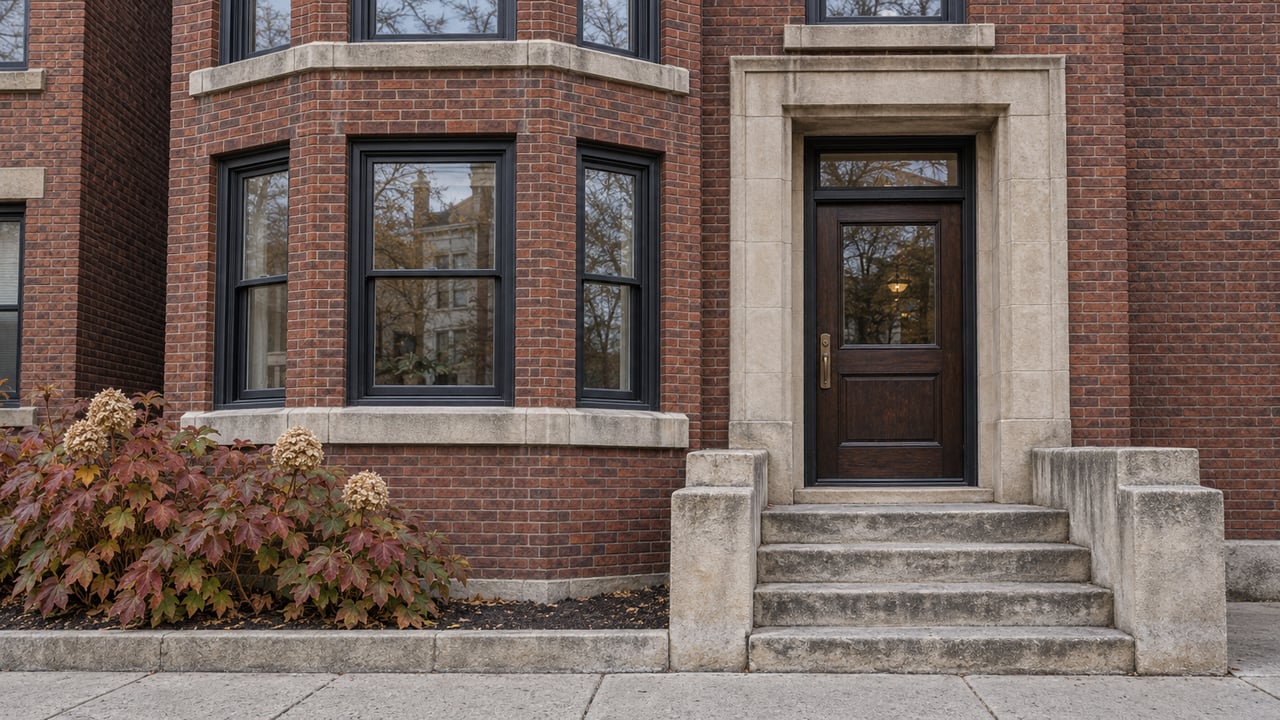
Wicker Park centers on the North, Milwaukee, and Damen “Six Corners,” a compact hub of dining, boutiques, bars, and creative venues. The result is a lively, walkable streetscape with many converted buildings and newer loft‑style condos. For a quick neighborhood snapshot, see the overview of Wicker Park’s location and character.

Transit is a big win here. The CTA Blue Line’s Damen station sits right in the action, making commutes to the Loop or O’Hare straightforward. Along the neighborhood’s north edge, The 606 (Bloomingdale Trail) adds daily value with a car‑free path to jog, bike, or stroll, plus easy access points near Damen and Western.

From a market perspective, recent snapshots point to a competitive, appreciating urban submarket. Pricing varies by building age, size, finishes, and parking, but many buyers expect lofts to command a premium per square foot because of volume, windows, and architectural character.

Hard vs soft lofts in Wicker Park

Not all “lofts” are the same. Knowing the type helps you set expectations on finishes, efficiency, and amenities.

  • Hard (true) lofts. These are authentic warehouse or industrial conversions with tall ceilings, exposed brick, heavy timber or steel, big factory‑style windows, and visible columns and ductwork. Expect one‑of‑a‑kind layouts and strong character. Learn more about the differences in this primer on hard vs soft lofts.
  • Soft lofts. These are newer residential buildings that borrow the look: open plans, higher ceilings, and large windows, often with better insulation, modern mechanicals, and amenity packages like rooftop decks or gyms. They trade a bit of “raw” authenticity for comfort and efficiency.
  • Timber lofts. A beloved hard‑loft subtype built with exposed heavy timber beams and columns. They deliver warmth and texture but benefit from inspections focused on wood condition and prior repairs. The loft guide above explains why structure matters.

What you’ll see inside

Lofts lean on a consistent visual palette: brick party walls, original columns, concrete or wide‑plank floors, and industrial windows with metal frames. Kitchens and baths are usually modern insertions with stainless appliances and contemporary counters. In soft lofts, you’ll often find central HVAC and better window glazing. In older hard lofts, systems may vary by unit, so check heating and cooling strategies during your tour.

Common layouts and how they live

  • Single‑volume open plan. Living, dining, and kitchen share one large space. Bedrooms may be partially enclosed with partitions or glass, or located on a small mezzanine. This is the classic loft look that prioritizes openness and light.
  • Mezzanine or duplex lofts. A partial second level delivers drama and separation for sleeping or office space. Stairs and acoustic privacy become the trade‑offs. If you work from home, ask how sound carries between levels and whether doors or partitions can be added.
  • Adaptive reuse quirks. Columns, irregular angles, and fewer original closets are common. Many buyers plan for custom storage, wardrobe systems, or a built‑in media wall to define zones and add function.

Daylight, noise, and privacy

Light is one of the biggest wins. Big factory windows and high walls flood main living areas with daylight. Interior mezzanines and deep floorplates can create dimmer corners, so look for skylights, transoms, or thoughtful lighting plans.

Noise varies by block. Units near the Milwaukee and Division corridors may experience more ambient sound, especially on late‑night weekends. Chicago’s environmental rules set measurable limits on amplified sound and define how the City enforces complaints. You can review the Municipal Code of Chicago’s section on environmental noise for details and procedures. For non‑emergency issues, residents can report concerns through CHI 311.

Privacy and flexibility go hand in hand. Open plans live beautifully, but sleeping areas may need extra acoustic separation. Sliding doors, glass partitions, acoustic curtains, and built‑ins can improve both privacy and storage without losing the loft’s open feel.

Practical sound‑mitigation checklist

  • Prioritize double‑ or triple‑pane window glazing, especially on street‑facing walls.
  • Use area rugs, upholstered furniture, and bookcases against shared walls to absorb echo.
  • Add acoustic curtains or wall panels in high‑reverberation areas.
  • For heavier noise, consult a pro about interior storm windows or mass‑loaded barriers. See practical ideas from the Brownstone Boys’ renovation guide.

Heating, cooling, and comfort

High ceilings create beautiful volume, but they also increase the air you heat and cool. Soft lofts usually offer better insulation and modern HVAC, while older conversions may need strategic upgrades. When you tour, note equipment age, duct layout, window glazing, and whether the system is zoned.

Comfort tips many owners use:

  • Ceiling fans to reduce heat stratification in winter and move air in summer.
  • Zoned thermostats or a separate mini‑split for mezzanines or upper levels.
  • Sealing and insulating around windows and doors to cut drafts.
  • Radiant heat solutions or supplemental heaters in specific areas if needed.

For deeper mechanical design context, industry references such as the ASHRAE design guidance overview outline how high‑volume spaces handle comfort and efficiency.

Lifestyle at your doorstep

If you want a neighborhood that feeds your day from morning coffee to late‑night music, Wicker Park delivers. The compact corridors along North, Milwaukee, and Damen pack in cafés, restaurants, bars, and performance spaces. Explore highlights in the Wicker Park and Bucktown neighborhood guide and this snapshot of local flavor.

The 606 adds an outdoor extension to your living room. Evening jogs, weekend bike rides, and dog walks feel easier with trail access points close by. Many retailers and patios have clustered near the trail, which keeps daily errands and leisure within a quick stroll.

The nightlife trade‑off is real and worth planning for. Proximity to live‑music venues and bars can be a perk if you love being steps from the action, but it may come with late‑night street noise on certain blocks. For context, browse a local things to do in Wicker Park roundup and then time your tours during peak hours to gauge sound on the street and inside the building.

What to check on a loft tour

Use this quick list to compare units and reduce surprises after you move in:

  • Building type. Confirm whether it is a hard loft conversion or a soft loft. This helps you anticipate efficiency, amenity packages, and long‑term maintenance needs. Review the hard vs soft loft overview if you need a refresher.
  • Windows and orientation. Ask about glazing type and inspect for drafts. Note window orientation and whether nearby buildings block light.
  • Heating and cooling. Identify system type, equipment age, service history, and whether zones cover upper mezzanines.
  • Noise and 311 history. Ask about typical street noise, trash pickup times, and nearby venues. For past complaints, residents can research or file through CHI 311.
  • Timber and structure. In timber lofts, request any reports on wood condition and past repairs. For all conversions, ask for permitted work records when available.
  • Storage and closets. Confirm in‑unit storage solutions and any included storage cages or bike rooms.
  • Parking and permits. Many buildings do not include deeded parking. Ask about on‑site spaces, rented garages nearby, and whether the block uses a residential permit parking program through the City Clerk.
  • HOA or condo rules. Review reserves, recent or planned special assessments, rental policies, pet guidelines, and any quiet hours or noise rules.

Is a Wicker Park loft right for you?

If you love flexible, design‑forward spaces and want a neighborhood where you can walk to transit, dining, and the trail, a Wicker Park loft checks a lot of boxes. The best fits are buyers who welcome open layouts, can plan for storage, and value character and location as much as predictability. With the right guidance, you can balance trade‑offs around sound, light, and HVAC and land a home that lives beautifully.

Ready to compare hard vs soft lofts, evaluate building quality, and negotiate with confidence? Connect with Alejandro Trujillo for data‑driven advice and a tour plan tailored to your goals.
FAQs

What defines a Wicker Park loft, and how is it different from a standard condo?

  • A loft typically offers taller ceilings, larger factory‑style windows, exposed structure, and open plans, while a standard condo has more conventional room separations and finishes.

What is the difference between a hard loft and a soft loft?

  • Hard lofts are authentic warehouse conversions with original materials, while soft lofts are newer buildings that mimic the look but usually offer better insulation, mechanicals, and amenities.

How noisy are lofts near Wicker Park’s nightlife corridors?

  • Noise varies by block; units facing busy streets or venues can hear more late‑night sound, so check window glazing and tour during peak hours, and know that residents can use CHI 311 to report issues.

Will a loft be harder to heat in a Chicago winter?

  • High ceilings increase the volume of air to heat, but good insulation, double‑pane windows, zoned systems, and ceiling fans can improve comfort and efficiency.

How does The 606 (Bloomingdale Trail) impact daily life?

  • The trail adds easy outdoor access for running, biking, and dog walks and has encouraged nearby retail and patios, making everyday errands and leisure more walkable.

What should I ask an HOA before buying a Wicker Park loft condo?

  • Review reserves, special assessments, rental and pet policies, quiet hours, and any limits on renovations like adding partitions or in‑unit laundry.

How close is Wicker Park to the Blue Line for commuting?

  • The Damen station sits in the neighborhood, offering direct service to the Loop and O’Hare; many lofts are within a short walk depending on the block.

Work With Alejandro

With a focus on continuing to educate their agents and continued attention to an amazing culture they have built, Alejandro & Mike have a huge vision for RE/MAX NEXT and their clients and work every day to achieve it.