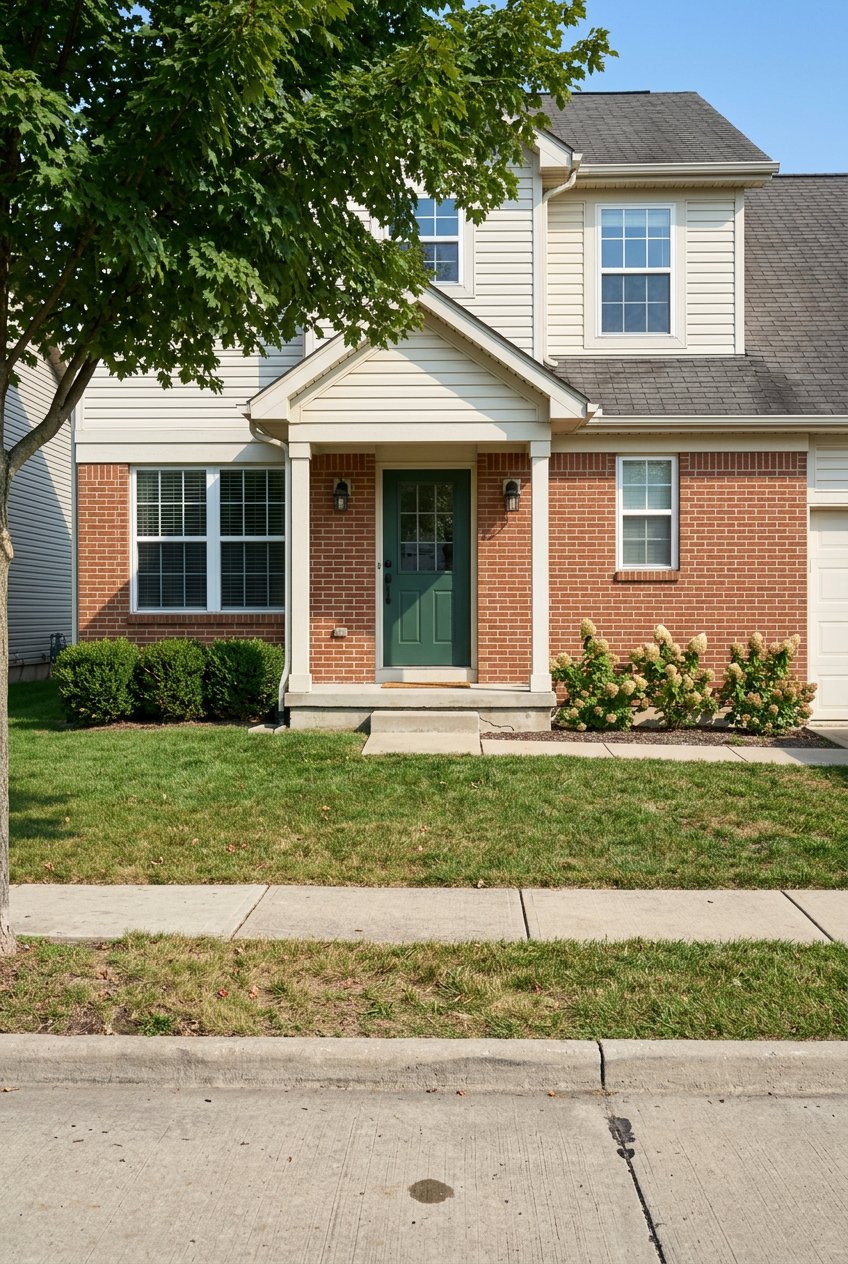
Downtown La Grange Living With Walkable Local Convenience
March 24, 2026
March 24, 2026
Want a suburb where you can skip the car but keep your favorite coffee, dinner spots, and an easy ride into the city? If you’re eyeing La Grange, living near downtown lets you do exactly that. In this guide, you’ll learn what day-to-day life looks like on foot, how commuting works, the housing styles that fit a car-light lifestyle, and the practical trade-offs to consider. Let’s dive in.
Downtown centers on La Grange Road with restaurants, cafes, boutiques, services, and a historic main-street feel clustered around the BNSF rail line and Village Hall. The Village highlights this compact core as a true pedestrian hub with commuter convenience and local activity to match. You get errands, dining, and entertainment within a tight, walkable grid.
Addresses right on or near La Grange Road and the Metra stations score very high for walking. For example, some downtown addresses show Walk Scores in the 90s, reflecting how many errands you can do without a car. A few blocks out, streets quiet down and scores drop, so it pays to check the specific address you’re considering. You can preview this pattern on a sample Walk Score for a downtown location.
You can grocery shop without driving. Trader Joe’s sits in the heart of downtown at 25 N La Grange Rd, which makes quick, on-foot trips easy for nearby residents. See the exact spot on this map listing for Trader Joe’s.
Dining is a strength here. Local guides list more than 50 food and drink options in the core, from coffee and breakfast to pizza, ramen, and global cuisine. The restored La Grange Theatre adds a walkable movie night and evening energy. For a snapshot of downtown flavor and seasonal happenings, browse this local overview of La Grange restaurants, theater, and events.
La Grange offers a healthy mix of pocket parks and larger recreation areas. The Park District lists 11 parks within the village and manages about 69 acres of green space. Explore locations and amenities on the Park District’s parks and facilities page.
Two Metra BNSF stations serve La Grange: La Grange Road and Stone Avenue. The Village describes La Grange as a commuter-oriented community and cites roughly 5,000 daily boardings across the two stations, which shows how many residents rely on the train. Weekday service is frequent with regular weekend options as well. For exact train times and express patterns, check Metra’s current schedule. Learn more about the village’s commuter profile on the Village of La Grange overview.
Many residents bike to the stations or use local Pace buses for the last mile. The Village publishes a Bike-to-Metra guide with racks at both stations and suggested routes, and downtown addresses often show nearby bus connections on transit maps. If you’re planning a car-light routine, combine short walks, a quick bike ride, or a bus hop with Metra.
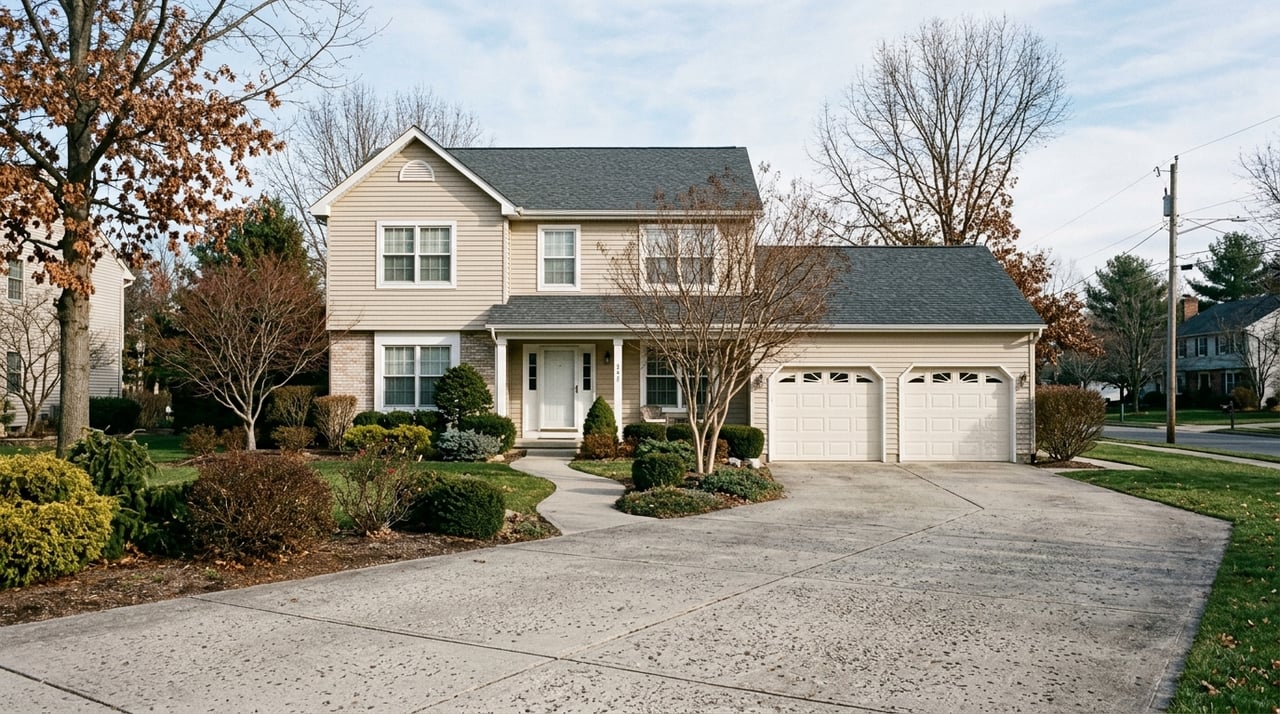
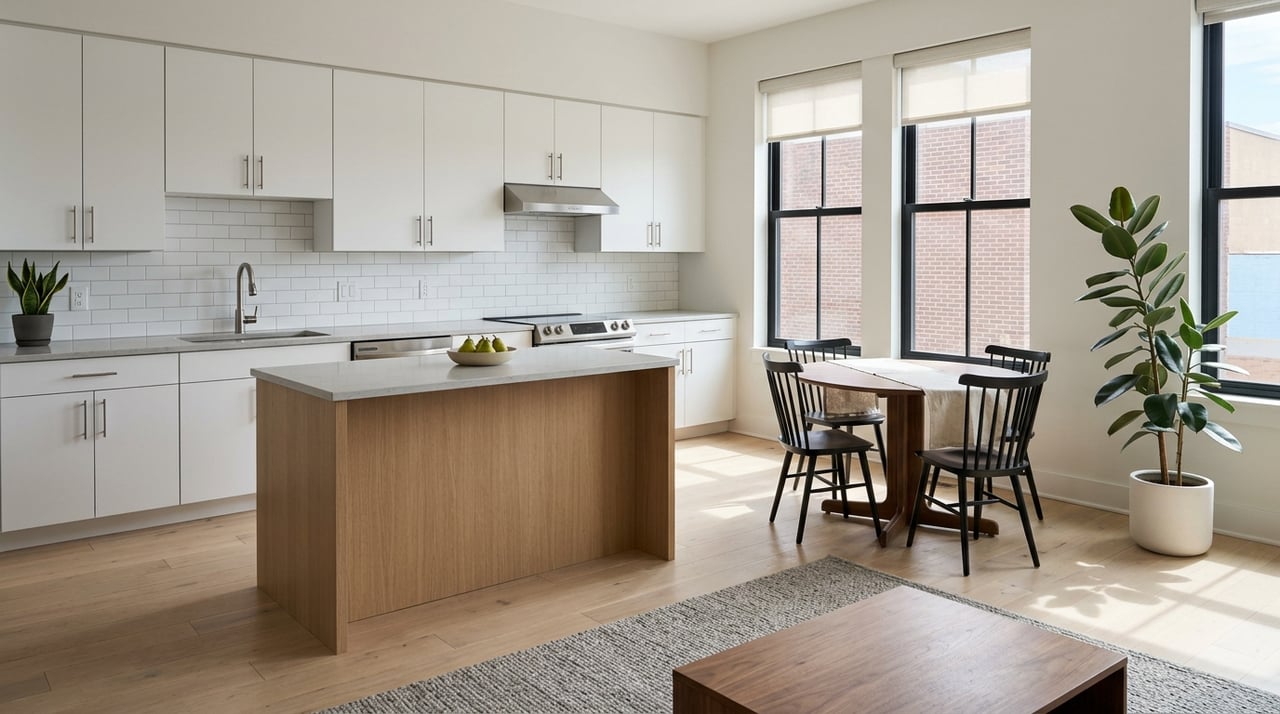
If your goal is to walk to everything, condos and apartments in or next to the core are the simplest fit. Expect smaller footprints with HOA fees and limited private parking, traded for instant access to shops, the theater, and the train. Ask about storage, bike parking, and guest parking when you tour.
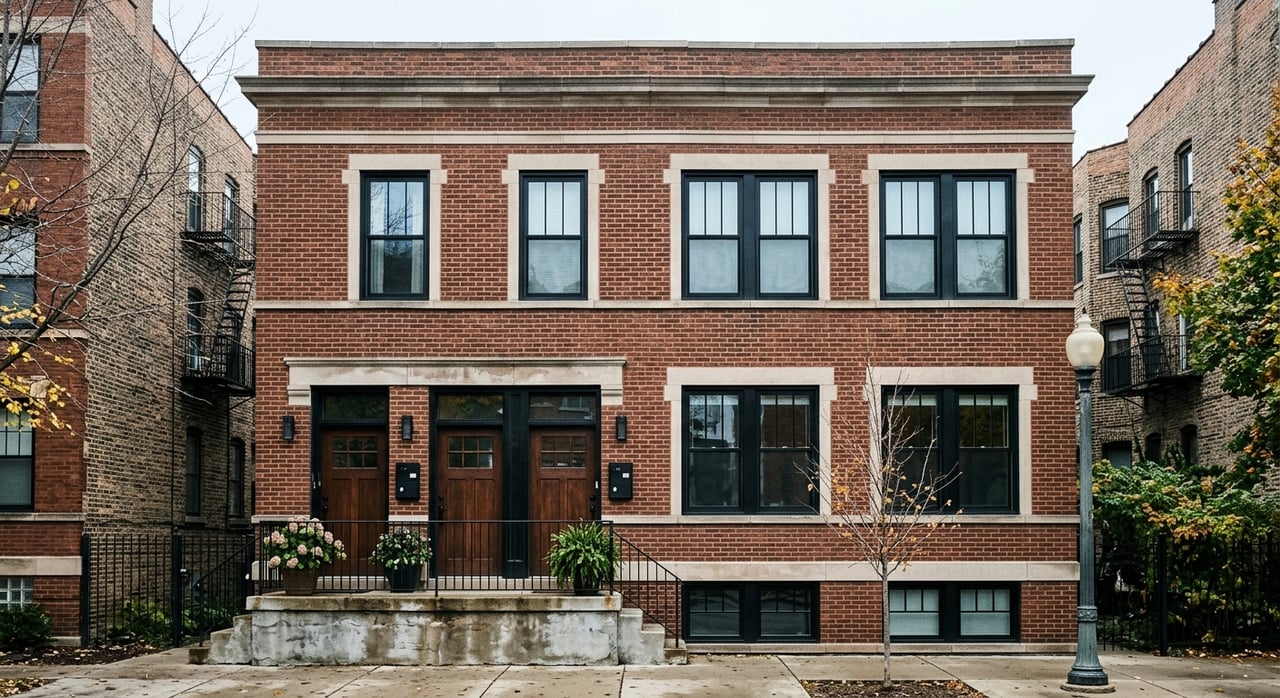
Townhomes around the edges of downtown balance private entry and modest outdoor space with short walks to La Grange Road. These can be a good middle ground if you want a home feel without giving up walkability.
Many single-family homes within the La Grange Village Historic District keep you within a 10 to 20 minute walk or a quick bike ride of the core. Architecture is a draw here, with Prairie School, Queen Anne, and Victorian styles, plus several designs by Frank Lloyd Wright. For context on the district’s character and scale, see the La Grange Village Historic District entry.
If you still own a car, plan for parking. Downtown has public lots, a parking deck, and metered streets. The Village sets meter hours, runs a residential decal and permit program, and restricts overnight street parking from 2:00 a.m. to 6:00 a.m. If you’re moving into a pre-1991 multi-family building, review decal rules. Check details on La Grange parking options and permits.
Living next to a busy main street and an active rail corridor brings benefits and trade-offs. Some buyers love stepping onto a train or into a restaurant in minutes. Others prefer a few quieter blocks between home and the core. Visit properties during rush hour and in the evening to gauge train horns, traffic, and weekend activity.
Warmer months often bring a weekly farmers market, along with signature downtown events like the Pet Parade, Craft Fair, Endless Summerfest, West End Art Festival, Holiday Walk, and Halloween Walk. Schedules change year to year, so confirm current dates. Expect extra foot traffic on event days along the main streets.
Lyons Township High School and local elementary and middle schools serve the village, and a nearby hospital and medical services are noted in the Village’s community overview. If schools and healthcare access are priorities, include those stops in your neighborhood walk before you write an offer.
The most naturally car-light blocks are in and around the commercial spine along La Grange Road and within about 0.25 to 0.5 miles of the La Grange Road or Stone Avenue Metra stations. When you tour, think in five to ten minute walking circles from each listing. Note grocery, coffee, pharmacy, library, the theater, parks, and your route to the platforms. If you plan to bike, test your path to the station and look for racks or indoor storage.
If walkable suburban living is on your list, let a local advisor guide your search, block by block. From pinpointing the right radius around the stations to weighing parking, HOA, and resale trade-offs, you deserve data and clarity at every step. Connect with Alejandro Trujillo for a personalized tour plan and pricing strategy that fits your goals.
With a focus on continuing to educate their agents and continued attention to an amazing culture they have built, Alejandro & Mike have a huge vision for RE/MAX NEXT and their clients and work every day to achieve it.

ALEJANDRO TRUJILLO
LAKEVIEW 3401 N Broadway St Chicago IL 60657 GOLD COAST 1207 N Dearborn St Chicago IL 60610