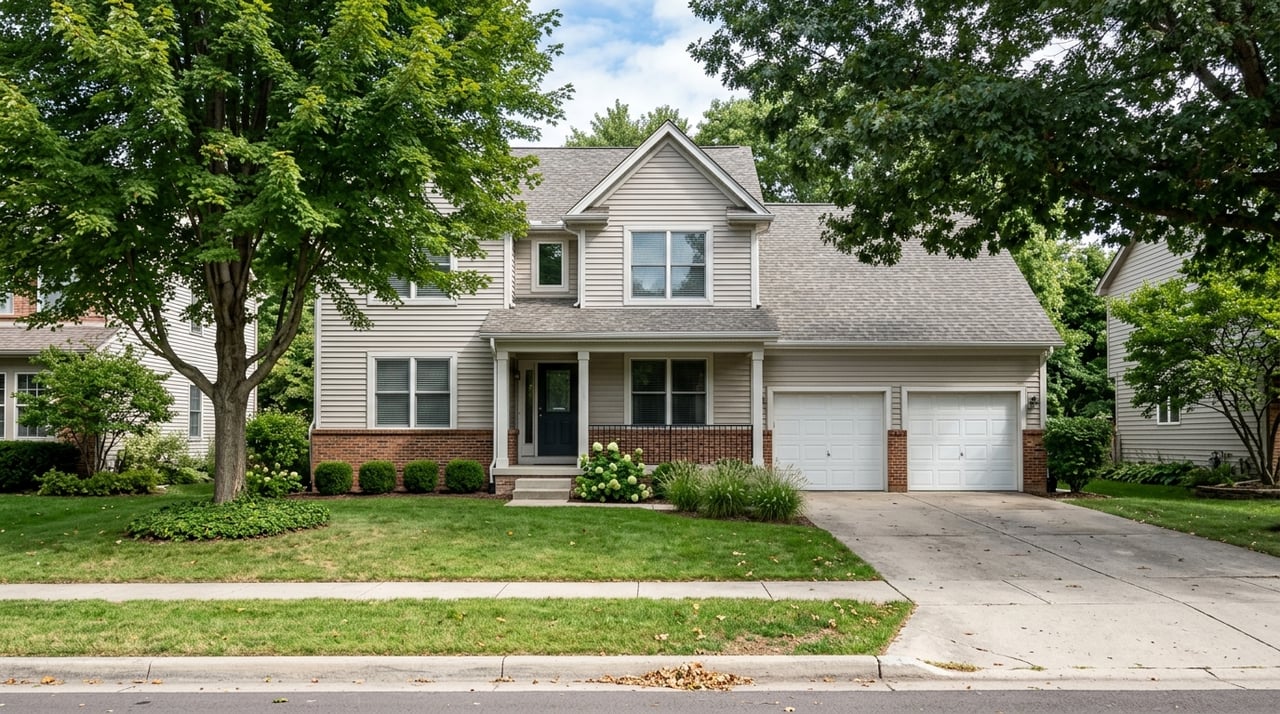
Naperville New Construction Vs Established Neighborhoods
June 18, 2026
June 18, 2026
Wondering whether a brand-new home or an established neighborhood is the better fit in Naperville? You are not alone. Many buyers find themselves weighing modern layouts and lower-maintenance living against mature trees, older streetscapes, and closer access to Naperville’s historic core. This guide will help you compare both options so you can make a more confident move. Let’s dive in.
Naperville is a large, mature suburb with 153,337 residents, a median housing value of $579,200, and a median household income of $150,360. City planning data also shows that much of the housing stock was built in the late 1980s, with 54.8% of homes built from 1980 to 1999.
That matters because Naperville is not a blank-slate market. Older housing tends to be concentrated closer to downtown, while newer housing is more common south of 75th Street. The city is also approaching build-out, which means there is limited developable land and fewer easy opportunities to add large amounts of new construction.
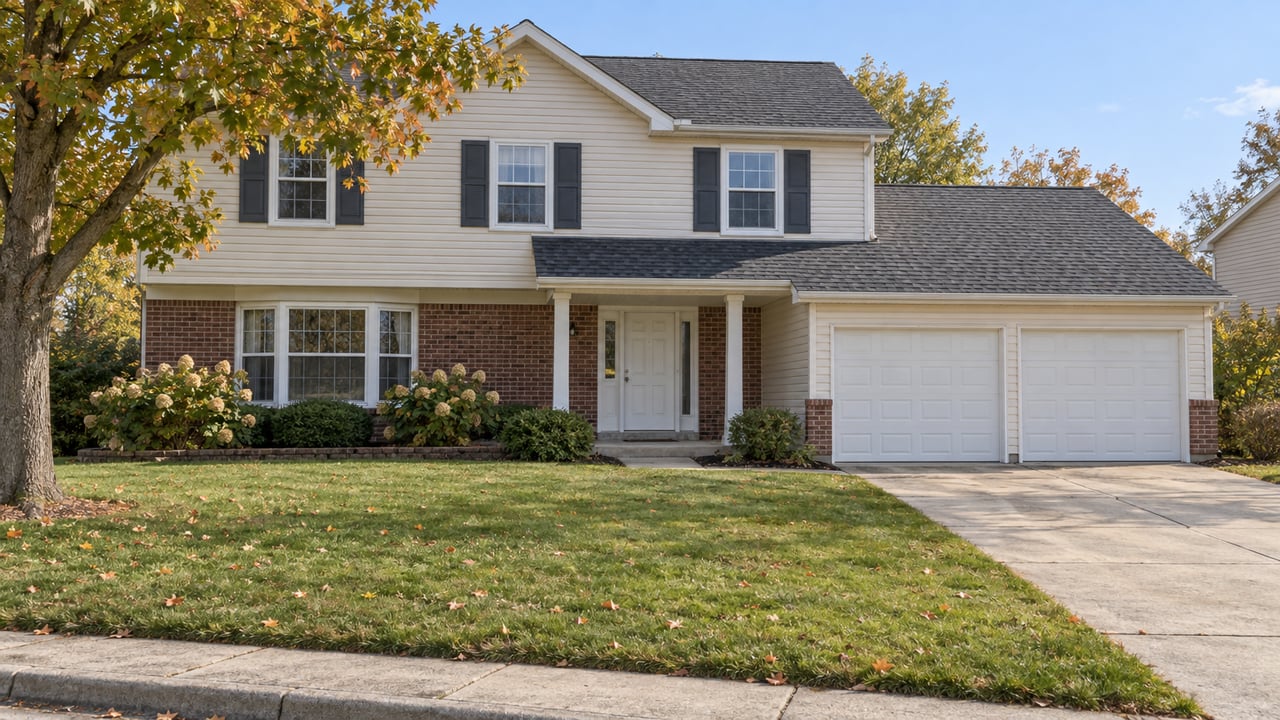
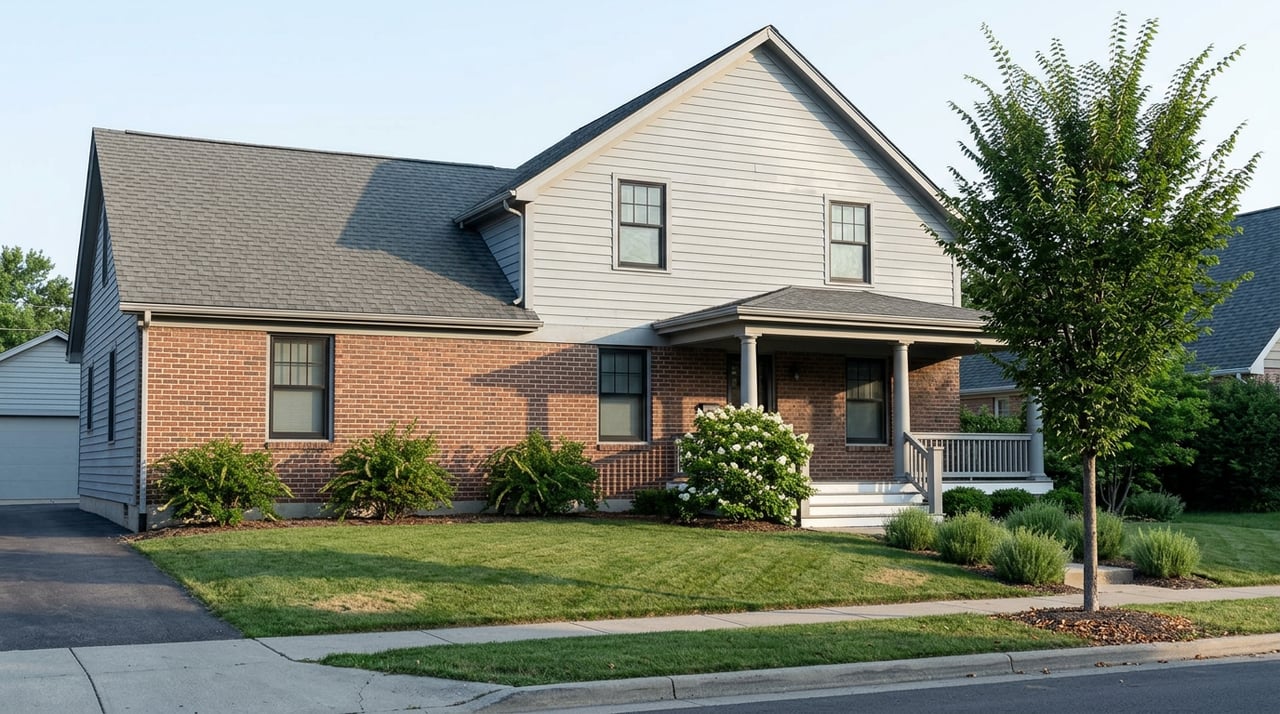
In Naperville, new construction does not always mean the same thing. It can refer to homes in a planned subdivision, but it can also mean an infill or teardown project on an older lot.
That distinction is important when you compare your options. A planned community may offer a more uniform setting and a lower-maintenance lifestyle, while an infill home may give you newer finishes on a more individually sited lot in an older part of town.
Current new-home options in Naperville span a wide price range. Examples in the market include Naperville Polo Club Townhomes from $401,990, Naperville Polo Club single-family homes from $469,990, Northwoods of Naperville from $759,990, and Benton + Main from $1,449,990.
These communities are often designed around modern living preferences. Builder descriptions highlight a mix of modern and traditional architecture, and some communities emphasize low-maintenance living as a major benefit.
If you want a new home without giving up an older location, infill may be worth exploring. In older parts of Naperville, current new-build and custom-home opportunities include lots like a nearly one-third-acre parcel on Thornwood Drive, a 63-by-195 lot on Prairie Avenue, and a 2.06-acre estate parcel on Radcliff Road.
This is why lot size is not a simple new-versus-old question in Naperville. In many cases, the bigger difference is whether you want a compact planned community or a newer home placed on a larger, more established homesite.
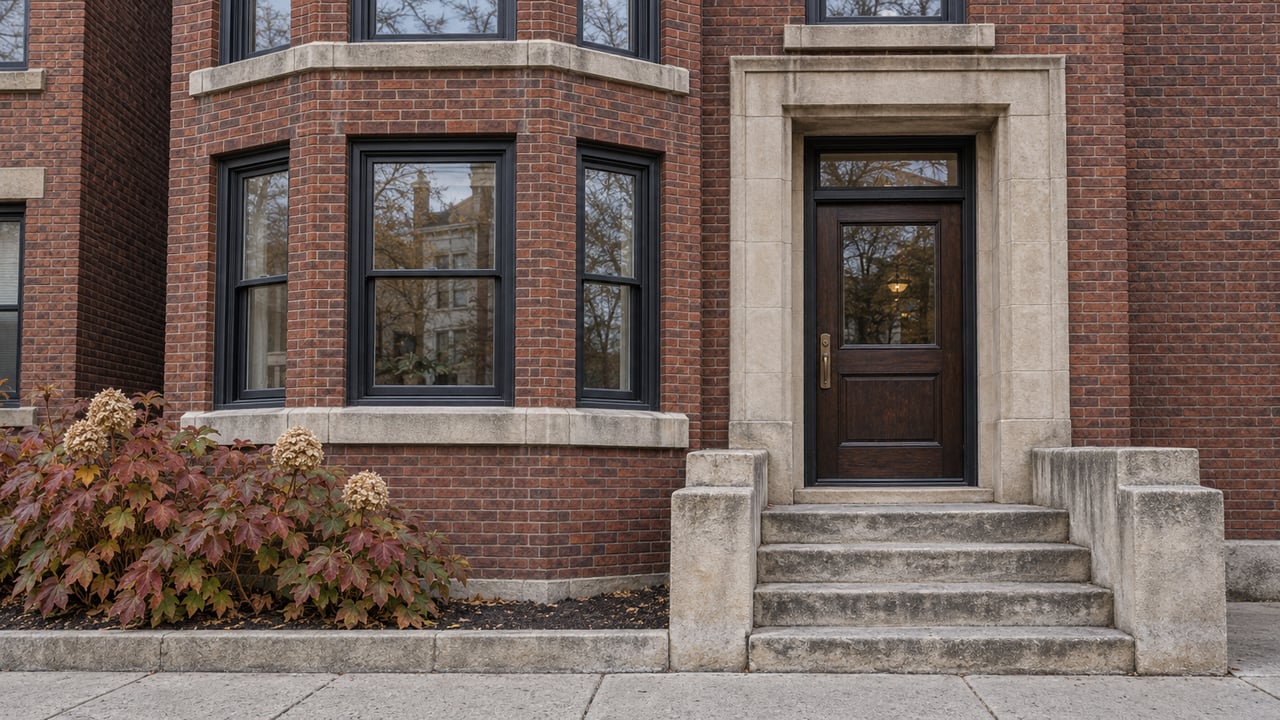
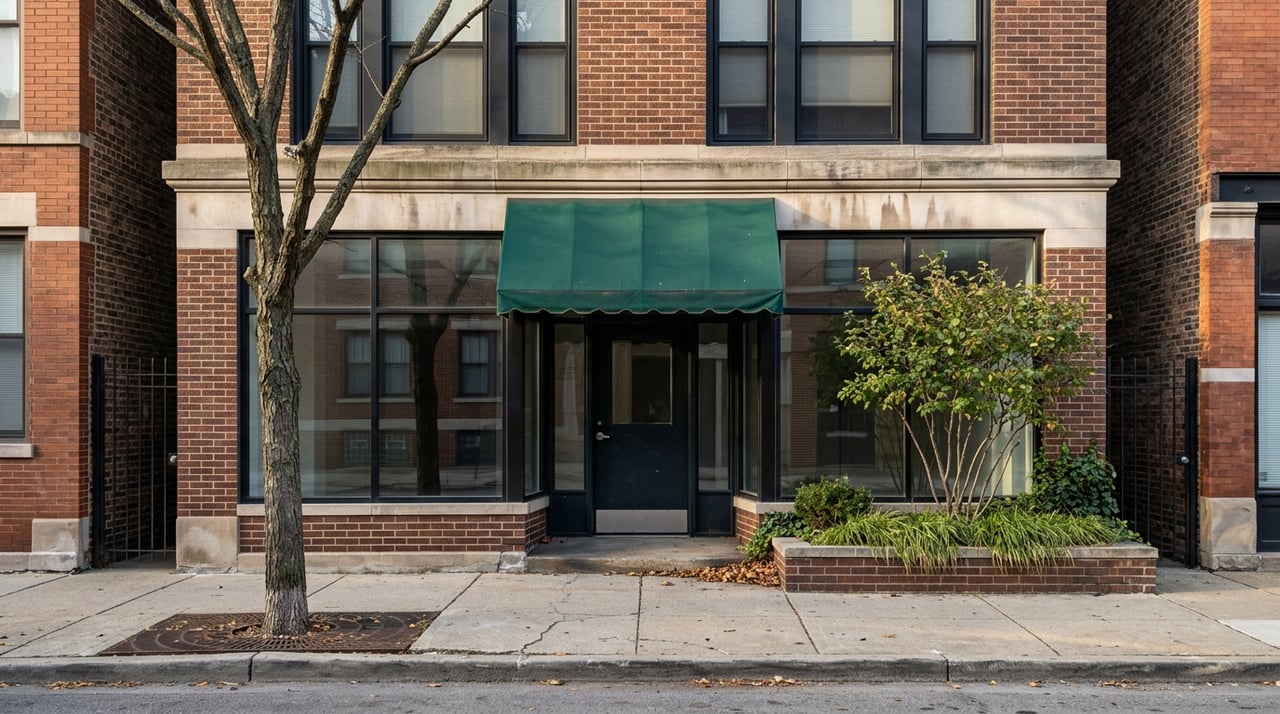
Established neighborhoods in Naperville often appeal to buyers who care about character, mature landscaping, and a more layered streetscape. Downtown Naperville is described by the city as tree-lined, and the city’s urban forest program notes that trees add value to homes, neighborhoods, parks, and business areas.
Naperville has also been recognized as a Tree City USA for 35 years. For many buyers, that established setting creates a very different feel from a newer subdivision.
If you are drawn to older architecture and a sense of place, established areas may stand out. Naperville’s local historic district includes about 320 properties and 253 homes, and the city encourages renovation and repair that remains consistent with the district’s historic, architectural, and aesthetic character.
That can be a plus if you value architectural detail and neighborhood continuity. It can also mean you should understand local expectations before planning major changes to a home.
Mature trees and landscaping are often part of the appeal in older neighborhoods. Market descriptions for areas like White Eagle mention mature landscaping, which many buyers associate with visual depth and a more settled neighborhood feel.
That said, established neighborhoods are not all the same. Some include HOA structures as well, so it is smart to compare the neighborhood setup and ongoing costs instead of assuming older always means fewer rules or fees.
Many buyers assume established neighborhoods are always cheaper and new construction is always more expensive. In Naperville, the reality is more nuanced.
Recent neighborhood and community data shows a wide spread on both sides. Established neighborhoods have ranged from Old Farm at $464,844 to the Historic District at $685,000 over the last three months based on one sale, while White Eagle was at $885,000. On the new-construction side, current pricing runs from entry-level townhomes around $401,990 to luxury communities above $1.4 million.
The takeaway is simple: you are usually paying for location, lot, finishes, and maintenance profile, not just the age of the home. Some older neighborhoods offer a lower-cost way into Naperville, while some established areas can meet or exceed new-build prices.
One of the biggest decision points is how you want to live day to day. Newer communities are often designed around predictable floor plans and lower exterior-maintenance burdens, especially in townhome settings.
For example, Northwoods of Naperville is described as a low-maintenance townhome community and carries monthly HOA fees of $473. In White Eagle, one current 2020-built listing shows HOA dues of $395. These examples are a reminder to look beyond the age of the home and review the actual maintenance structure and monthly costs.
New construction may fit you well if you want:
This can be especially appealing if you want less weekend maintenance and a simpler ownership experience.
Established neighborhoods may fit you better if you want:
If neighborhood feel is a top priority, older areas often deserve a close look.
Naperville offers two Metra stations on the BNSF line, one near downtown and one on Route 59. The city also cites Pace bus service and a road network with more than 500 centerline miles.
That transportation picture lines up with where different housing options are located. Some new-construction communities are marketed around access to Route 59, Warrenville Road, and the I-88 corridor, while downtown and older neighborhoods may be more appealing if you want closer access to the Riverwalk, tree-lined streets, and the historic core.
This does not mean one is better than the other. It means your daily routine should shape your search. If your week revolves around highway driving, a newer community may make sense. If you want a more central Naperville experience, established areas may be a stronger fit.
The best choice usually comes down to what you value most. In Naperville, the core tradeoff is often this: newer construction tends to offer a more predictable home and lower-maintenance setup, while established neighborhoods tend to offer character, mature trees, and sometimes more flexible homesites.
Still, that is only a framework. Naperville also has high-end infill new builds in older areas and established neighborhoods with HOA structures or renovation standards. That is why a side-by-side comparison matters more than a simple old-versus-new label.
If you are shopping in Naperville, try comparing each option through the same lens. Focus on the factors that will shape your experience and long-term value.
Use this quick checklist:
When you compare homes this way, the decision usually becomes much clearer.
If you want help weighing Naperville new construction against established neighborhoods, Alejandro Trujillo can help you compare options with a practical, data-driven approach that keeps your goals front and center.
With a focus on continuing to educate their agents and continued attention to an amazing culture they have built, Alejandro & Mike have a huge vision for RE/MAX NEXT and their clients and work every day to achieve it.

ALEJANDRO TRUJILLO
LAKEVIEW 3401 N Broadway St Chicago IL 60657 GOLD COAST 1207 N Dearborn St Chicago IL 60610