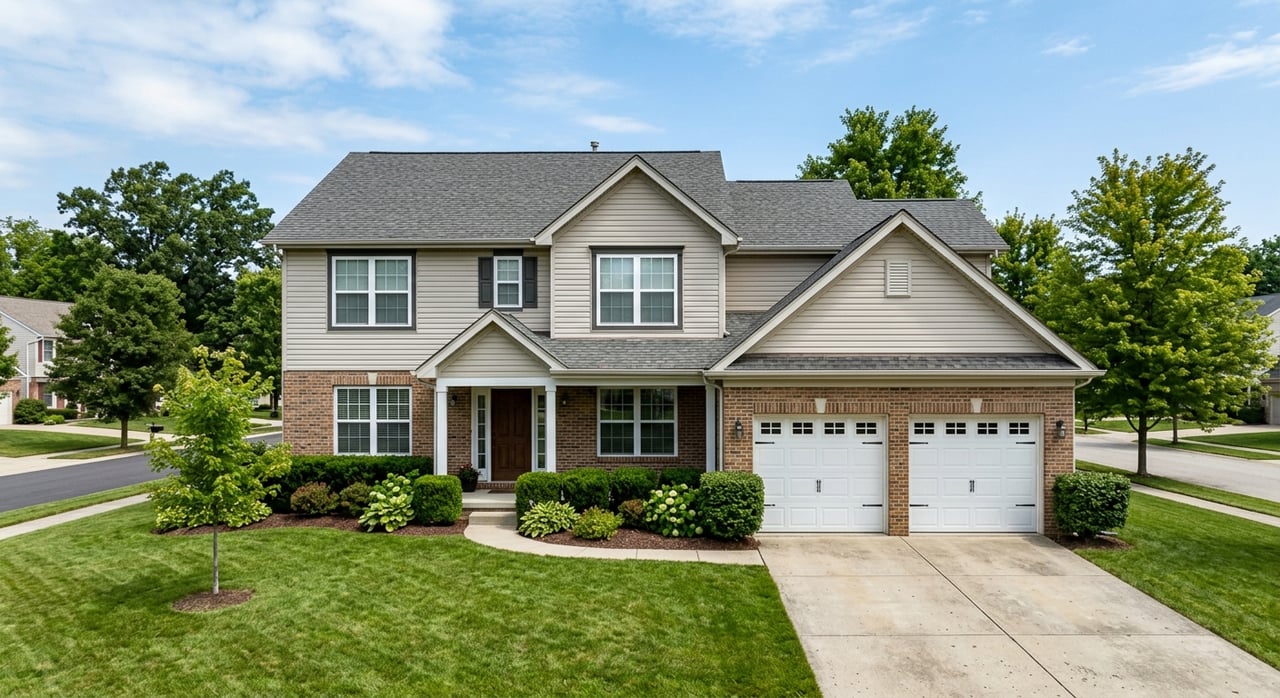
Moving In Naperville: Should You Buy Or Sell First?
June 25, 2026
June 25, 2026
Wondering whether you should buy your next Naperville home before you sell your current one? You are not alone. For many move-up buyers and sellers, this is the biggest strategy question in the whole process, because the wrong timing can create stress, extra costs, or missed opportunities. The good news is that there is no one-size-fits-all answer, and with the right plan, you can make a smart move. Let’s dive in.
In Naperville, timing decisions are shaped by a market that has stayed competitive in 2026. Recent data shows homes receiving multiple offers, selling around asking price on average, and moving in a matter of days or weeks depending on the source and time frame.
That matters because a fast-moving market can help your current home sell quickly, but it can also make your next purchase more competitive. If you wait too long to plan, you could end up rushing one side of the move while trying to manage the other.
Recent snapshots show this clearly:
The exact numbers vary by data source, but the trend is consistent. Well-priced homes in Naperville and DuPage County can move fast.
Buying first can work well if your top priority is securing your next home before someone else does. This approach is often appealing when inventory feels tight or when you have a very specific home, layout, or location in mind.
It can also reduce the pressure of having to move twice. If everything lines up, you can close on the new home, move once, and then prepare your current home for sale with less day-to-day disruption.
Still, there is a tradeoff. In a competitive Naperville market, sellers often prefer offers with fewer complications. A home sale contingency can make your offer less attractive because the seller has to wait and hope your current home sells within the required timeframe.
Freddie Mac explains that with a home sale contingency, the seller may continue marketing the property while you try to sell your home. That means you could invest time and emotion into a purchase and still lose it if another buyer comes along with a cleaner offer.
If you want to buy first, your lender needs to see that your finances can support the plan. Lenders typically look at your income, assets, employment, savings, debt payments, credit history, and credit score when deciding whether to lend.
That is why preapproval matters so much. A preapproval letter shows that a lender is tentatively willing to lend up to a certain amount, even though it is not a final loan guarantee.
If you are considering buying first, it helps to:
For many homeowners, buying first is strongest when you have solid reserves, realistic numbers, and a clear backup plan if your current home does not sell immediately.
Selling first is often the cleaner and less risky path. Once your current home closes, you know how much equity you have available, what your price range looks like, and how much cash you can bring into the next purchase.
That clarity can make your next move more confident. It can also help you write a stronger offer because you are not relying on a sale contingency.
In a market like Naperville, where demand has remained brisk, many homeowners choose to sell first because it reduces financial uncertainty. You know where you stand before taking on the next commitment.
Freddie Mac notes that closing day is when ownership transfers, mortgages tied to the property are paid off, and sale proceeds are delivered. That is a big reason many sellers want the first transaction completed before locking in the next one.
The biggest challenge is timing. If your home sells before you secure your next property, you may need temporary housing.
That is not just a minor inconvenience. In Naperville, Realtor.com lists the median rent at $2,275 per month, while Zillow shows average rent in DuPage County at $2,105 per month. If you need a short-term rental, that cost should be part of your plan from the beginning.
For some households, a brief rental period is worth it because it avoids the risk of carrying two homes at once. For others, the extra move and rental expense may outweigh the benefit.
If you are deciding whether to buy first or sell first, it helps to compare the risks side by side.
| Option | Potential Benefit | Main Risk |
|---|---|---|
| Buy first | You secure your next home before selling | You may carry two housing payments or make a weaker offer with a contingency |
| Sell first | You know your equity and can buy with more certainty | You may need temporary housing if your next home is not ready |
This is why the decision is usually less about a universal rule and more about risk management. The right answer depends on your budget, flexibility, and comfort level with uncertainty.
The buy-first versus sell-first decision is not only about personal preference. It is also shaped by the contract tools available in your transaction.
Freddie Mac highlights three key contingencies that often matter most:
These terms can reduce risk, but they can also affect how attractive your offer looks to a seller. In a competitive market, simple and predictable offers often stand out.
Freddie Mac also notes that once an offer is accepted, closing typically takes about 30 to 45 days. Even a strong plan can get complicated if your sale and purchase timelines do not line up well.
If you are trying to decide what fits your situation, start with your real-world numbers. Look at your available savings, estimated equity, monthly payment comfort zone, and how much flexibility you have if one side of the move takes longer than expected.
Then think about your personal priorities. Are you more concerned about missing the right next home, or more concerned about taking on too much financial overlap? Are you comfortable with a short-term rental, or would a double move create too much disruption?
A simple framework can help:
A move like this works best when both transactions are planned together, not treated as separate events. Your listing strategy, pricing, purchase timing, financing conversations, and contingency language all need to support the same goal.
That is especially true in Naperville, where homes can move quickly and timing mistakes can become expensive. Closing costs alone typically run about 2% to 5% of the purchase price, not including your down payment, so small delays or surprises can have a real impact on your cash needs.
It also helps to set aside funds for moving expenses, possible updates, furnishings, and a three-to-six-month emergency cushion. A well-timed move is not just about getting from one address to another. It is about protecting your options and reducing pressure.
If you are weighing whether to buy first or sell first in Naperville, the smartest next step is to build a plan around your finances, timing, and goals. A thoughtful strategy can help you compete when buying, protect your position when selling, and avoid unnecessary stress in between. When you are ready for tailored guidance, connect with Alejandro Trujillo to map out your next move with confidence.
With a focus on continuing to educate their agents and continued attention to an amazing culture they have built, Alejandro & Mike have a huge vision for RE/MAX NEXT and their clients and work every day to achieve it.

ALEJANDRO TRUJILLO
LAKEVIEW 3401 N Broadway St Chicago IL 60657 GOLD COAST 1207 N Dearborn St Chicago IL 60610