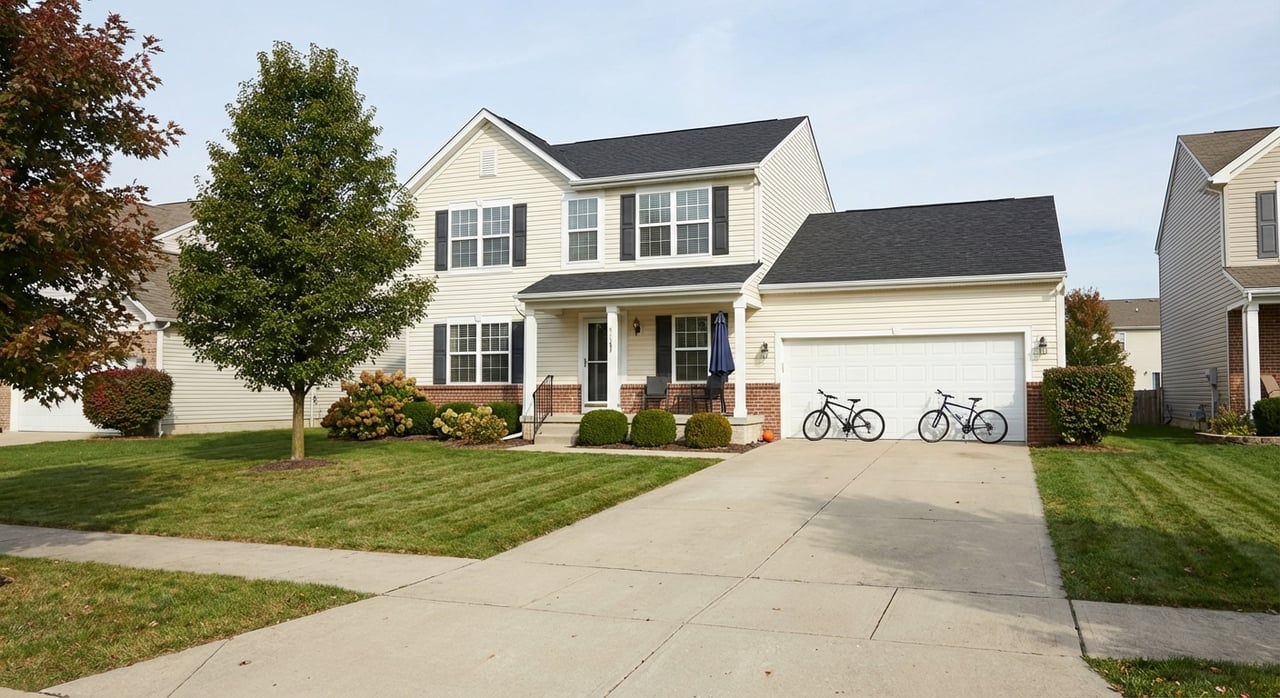
Thinking about renting out a single-family home in Westchester but not sure how to pencil the numbers? You are not alone. Cash flow lives or dies on a few local inputs that are easy to overlook in Cook County. In this guide, you will learn how to benchmark rent, budget real expenses, plan for seasonality, and run a simple underwriting that tells you if a deal works. Let’s dive in.
Westchester rent drivers
Westchester sits in Chicago’s west suburbs within Cook County. Demand is shaped by proximity to jobs, highways, transit, and nearby employment centers across the metro. Because the village is small, rely on hyper-local comps within the same school district or within a 1 to 3 mile radius.
To track rent direction, use a few reliable sources:
Rent comps that work
A good rent number is specific to your property and block. Here is a practical process:
- Pull 3 to 6 recently rented single-family comps with the same bedroom count, similar age and condition, within 1 to 3 miles.
- Adjust for square footage, finished basements, garage, updates, and lot size. Only count permitted bedrooms.
- Consider timing. You can usually achieve stronger rents in late spring and summer.
- If you cannot find single-family comps, use the closest townhomes or condos with deductions for the lack of yard or garage where appropriate.
Tip: Confirm actual leased rents and days on market through MLS or local property managers, not only list prices.
SFR expense benchmarks
Cook County taxes and financing costs are the biggest swing factors for cash flow. Start with these categories and practical ranges as a first pass, then verify locally.
Fixed or predictable
- Mortgage principal and interest
- Property tax. Check current assessed value and appeals options. Many investors model taxes as a percent of value when comparing deals.
- Insurance for a landlord policy
- HOA fees if applicable
Variable or semi-predictable
- Vacancy allowance: budget 5 to 10 percent of gross scheduled rent
- Property management: 6 to 10 percent of collected rent for full management. Lease placement can be 50 to 100 percent of one month’s rent
- Maintenance and repairs: 5 to 10 percent of collected rent per year. Older homes may need 8 to 12 percent
- Capital expenditures reserve: 5 to 10 percent of rent, or set a fixed annual reserve based on age and big-ticket items
- Turnover make-ready: plan for cleaning, paint, and minor fixes between tenants
- Owner-paid utilities: water, sewer, trash, gas or electric if included, lawn care
- Leasing costs: advertising, showings, screening fees, admin
- Legal and compliance: budget for worst-case scenarios and guidance
- Accounting and entity costs
During due diligence, collect last year’s tax bills, insurance quotes, utility history, recent maintenance invoices, and any lease or payment histories if the home is tenant-occupied.
Seasonality and leasing timeline
Like most U.S. markets, the Chicago metro sees peak demand from May through August. Listings tend to lease faster and at stronger rents during late spring and early summer. Off-peak months from November through February often require longer marketing windows or mild incentives. Broader trends are covered in Apartment List’s research.
Typical turnover and lease-up timeline
- Tenant notice to vacant: 30 to 60 days based on lease terms
- Make-ready work: 3 to 14 days if only minor items
- Marketing and showings: 7 to 21 days, faster in peak season
- Screening to lease signing: 3 to 10 days
Plan to list 4 to 6 weeks before your target move-in date in-season. Extend that to 6 to 10 weeks off-peak.
Leasing and legal notes
- Follow Illinois landlord-tenant statutes for deposits, notices, and disclosures. Municipal rules can add requirements, so confirm with a local attorney or specialist.
- Treat eviction as a last resort. Good screening and clear lease terms help you avoid it.
Underwriting steps
Use a simple framework so you can compare properties apples to apples.
Core formulas
- Gross Scheduled Rent. Market monthly rent times 12
- Effective Gross Income. GSR minus vacancy and concessions plus other income
- Operating Expenses. Taxes, insurance, maintenance, management, utilities, advertising, legal, reserves
- Net Operating Income. EGI minus operating expenses
- Cap Rate. NOI divided by purchase price
- Cash Flow Before Taxes. NOI minus annual principal and interest
- Cash-on-Cash Return. CFBT divided by total cash invested
- DSCR. NOI divided by annual debt service
Step-by-step
- Estimate market rent from comps.
- Calculate GSR and vacancy.
- Collect or estimate operating expenses. Verify property tax and insurance early using county and carrier sources.
- Compute NOI.
- Layer in financing to get annual debt service and cash flow before taxes.
- Evaluate cap rate, cash-on-cash, and DSCR against your targets.
Investor benchmarks to keep in mind
- Cap rates in stronger suburban pockets often sit in the low to mid single digits
- Many small investors target positive monthly cash flow and 6 to 12 percent cash-on-cash, depending on leverage and risk
- Many rental lenders want DSCR at or above 1.0 to 1.25. Confirm with your lender
Cash flow example
The numbers below are illustrative and for learning only. Plug in your own Westchester rent, taxes, insurance, and rate.
- Purchase price: 320,000 dollars
- Market rent: 2,200 dollars per month. GSR equals 26,400 dollars
- Vacancy at 6 percent: 1,584 dollars. EGI equals 24,816 dollars
- Property tax modeled at 2.0 percent: 6,400 dollars
- Insurance: 1,200 dollars
- Management at 8 percent of collected rent: 1,985 dollars
- Maintenance reserve at 8 percent: 1,985 dollars
- Owner-paid utilities: 1,200 dollars
- CapEx reserve: 600 dollars
- Other expenses: 600 dollars
- Total operating expenses: 13,970 dollars
- NOI: 10,846 dollars
- Cap rate: 3.39 percent
- Financing: 25 percent down. Loan 240,000 dollars at 6.5 percent for 30 years. Approximate annual principal and interest 18,166 dollars
- Cash flow before taxes: negative 7,320 dollars
Takeaway: with these inputs, cash flow is negative. To turn positive, you would need a lower price, higher rent, cheaper financing, or a larger down payment. In Cook County, property tax and interest rate assumptions move the deal the most.
Due diligence checklist
Use this list before you write an offer or waive contingencies:
- 3 to 6 leased SFR rent comps within 1 to 3 miles
- Current lease and payment history if occupied
- Last 12 months income and expense statements if available
- Property tax bills and assessment history from the county
- Insurance claims and quotes for a landlord policy
- Standard lease template and deposit procedures
- Inspection reports. Consider general, mechanicals, roof, pest, and sewer scope if indicated
- Code violations or municipal liens
- HOA documents if applicable
- Full utility history
- Title search, survey, or boundary confirmation
- Zoning info and any local school district notes for tenant demand context
- Comparable sales for similar rental homes to estimate cap rates
Mini underwriting worksheet
Use this quick worksheet while touring or analyzing at your desk.
Inputs
- Target rent per month: ______
- Vacancy percent: 5 to 10 percent → ______
- Property tax per year: ______ (pull from county)
- Insurance per year: ______ (quote)
- Management percent or flat: ______
- Maintenance percent: 5 to 10 percent → ______
- CapEx reserve per year: ______
- Owner-paid utilities per year: ______
- Purchase price: ______
- Down payment percent: ______
- Interest rate and term: ______
Outputs
- GSR: rent times 12 = ______
- EGI: GSR minus vacancy = ______
- Operating expenses total = ______
- NOI: EGI minus expenses = ______
- Annual principal and interest = ______
- Cash flow before taxes: NOI minus P&I = ______
- Cap rate: NOI divided by price = ______
- Cash-on-cash: CFBT divided by cash invested = ______
- DSCR: NOI divided by P&I = ______
When to hire Alejandro
Bring in a local sourcing and tenant placement specialist when:
- You want off-market options or fast, micro-level comps in Westchester and nearby suburbs
- You need help pricing rent and projecting lease-up timelines to stress-test your numbers
- You lack time to market, show, screen, and execute leases
- You are scaling beyond one or two units and want standardized processes
- You want to reduce vacancy with professional photos, marketing, screening, and move-in coordination
- You need coordination on Cook County compliance with a local attorney or manager
Recommended scope with a specialist
- Pre-offer: rent comps memo, demand notes, and estimated make-ready cost
- Offer: pro forma with rent and vacancy assumptions to guide a best offer
- Lease-up: marketing, showings, screening, lease execution, move-in inspection, and first funds collection
- Ongoing: transition to a property manager if you prefer full-service maintenance and rent collection
Your next step
If you are considering a Westchester single-family rental, start by validating rent comps and taxes, then run the worksheet above. A 30-minute consult can often save a month of vacancy or a costly assumption. For local comps, pricing validation, and full tenant placement, connect with Alejandro Trujillo.
FAQs
What drives Westchester single-family rents compared to nearby suburbs?
- Proximity to jobs, highways, and transit across the Chicago metro drives demand. Use 1 to 3 mile comps in the same school district and confirm seasonality.
How much vacancy should I budget for a Westchester rental?
- A common allowance is 5 to 10 percent of gross scheduled rent. Lean lower with strong occupancy history and professional management, higher in off-peak seasons.
Which expenses most affect cash flow in Cook County?
- Property taxes and financing costs usually move the numbers most. Verify taxes with the county and get insurance quotes early.
When is the best time to list a Westchester rental?
- Peak leasing season is late spring through summer. Off-peak months often require longer marketing windows or small incentives.
What is a good DSCR for rental financing in this area?
- Many lenders look for DSCR at or above 1.0 to 1.25. Check your lender’s program requirements.
Where can I find official rent benchmarks for the Chicago metro?
How do I confirm Cook County property taxes for underwriting?