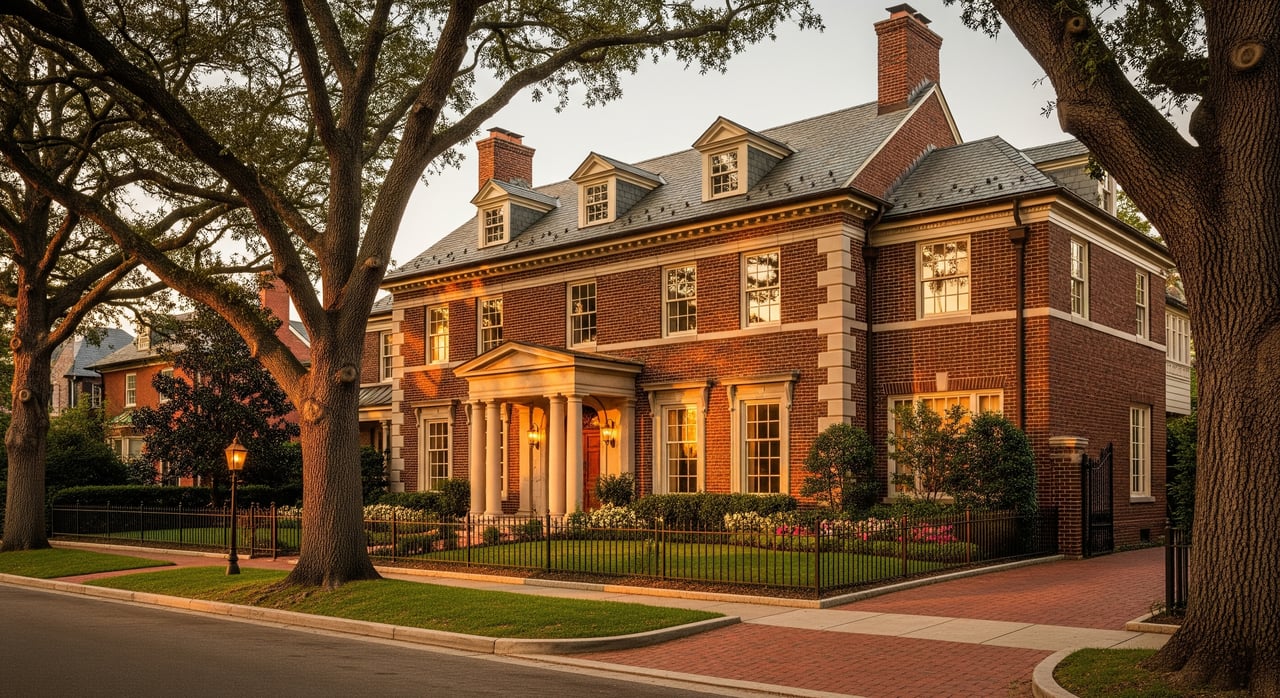
Buying in La Grange Historic Districts: Key Insights
December 18, 2025
December 18, 2025
Love the character of La Grange’s tree-lined blocks and classic architecture, but unsure how historic-district rules might affect your purchase or renovation plans? You’re not alone. Buying in a historic district is rewarding, yet it comes with extra steps that can impact design choices, timelines, and budget. In this guide, you’ll learn how La Grange’s historic-district status works, what approvals you may need, how to plan renovations, and the best way to protect your investment. Let’s dive in.
Historic recognition can happen at several levels. What matters most to you as a buyer is whether a home sits in a local La Grange historic district, because local districts typically carry design review and approval requirements. A property that’s only listed on the National Register of Historic Places often does not restrict private owners from altering the property unless federal funds or permits are involved.
Many communities use the National Park Service’s guidance as a foundation for reviews. The Secretary of the Interior’s Standards for Rehabilitation outline preservation best practices commonly referenced by local commissions.
Do not assume a listing note or marketing comment is accurate. Add these steps to your pre-offer checklist:
A quick verification can prevent surprises later when you go to change a window, rebuild a porch, or add an addition.
Local historic-district rules typically focus on exterior work visible from public streets. Common items that require review include:
Most interior work is not regulated by local historic-district rules. Landscaping may be less regulated, though street-facing elements can be reviewed depending on the local ordinance. When in doubt, check with village staff before you commit to a scope of work.
If you plan exterior changes, you’ll likely need a Certificate of Appropriateness (COA) before you can pull building permits. While La Grange specifics come from the Village and its Historic Preservation Commission (HPC), the typical process looks like this:
Timelines vary by project complexity and meeting schedules. Routine staff-level reviews can take days to weeks. Projects going to a public meeting can take several weeks to a few months, especially if revisions are needed. Always align your COA schedule with building-permit timing.
Historic reviews prioritize repair over replacement and preserving character-defining features. Practical tips:
Expect that preservation-grade materials and craftsmanship may cost more than standard replacements. Planning up front helps you avoid rework if an incompatible product gets denied in review.
You can use conventional financing to buy a historic home. If you plan renovations, two common options allow you to finance purchase and rehab costs together:
For insurance, older homes may need more detailed replacement-cost estimates, and some insurers require system upgrades. If the property is income-producing and certified historic, federal rehabilitation tax credits may apply. Owner-occupied homes generally do not qualify for the federal credit. State and local incentives can change, so confirm current Illinois programs with the State Historic Preservation Office and ask village staff about any local options.
Create a plan before you write the offer. Add these steps to your checklist:
Along with a general inspection, consider specialists when needed:
If you already have a project in mind, protect your plan in the contract. Common contingencies include:
These protections give you time to consult with village staff, refine your design, and price preservation-appropriate materials before you close.
Historic districts often preserve neighborhood character and curb appeal, which can stabilize or support values over time. Many buyers are drawn to the sense of place and architectural detail. At the same time, the need for approvals and higher-quality materials can narrow the buyer pool for some shoppers.
If you maintain original features and follow accepted standards, you’re more likely to protect long-term value. Preventive maintenance is key, especially for wood porches, original windows, slate or clay tile roofs, masonry with historic mortar, and decorative trim. Avoid quick fixes that trap moisture or damage historic fabric. They can be costly to reverse.
You will have a smoother experience when you assemble the right players:
The earlier you bring your team together, the fewer surprises you’ll face and the more confident your timeline and budget will be.
If you love the charm of La Grange and want to balance it with smart planning, you’re on the right track. With clear due diligence, realistic timelines, and the right partners, you can preserve the character you love and create a home that works for you.
Have questions about a specific property or project? Let’s talk about strategy, approvals, and value so you can move forward with clarity. Connect with Alejandro Trujillo for local guidance tailored to your goals.

With a focus on continuing to educate their agents and continued attention to an amazing culture they have built, Alejandro & Mike have a huge vision for RE/MAX NEXT and their clients and work every day to achieve it.

ALEJANDRO TRUJILLO
LAKEVIEW 3401 N Broadway St Chicago IL 60657 GOLD COAST 1207 N Dearborn St Chicago IL 60610