Have you fallen for those handsome stone-front buildings along Milwaukee, Damen, or Division and wondered what they are? If you are eyeing Wicker Park for a home or a small multi-unit investment, you are likely looking at greystones. Buying one is a smart way to combine location, historic character, and flexible unit options, but you need a plan. In this guide, you will learn what defines a Chicago greystone, common layouts, what to inspect, how permits and landmark rules work, and the key value drivers in Wicker Park. Let’s dive in.
What a Chicago greystone is
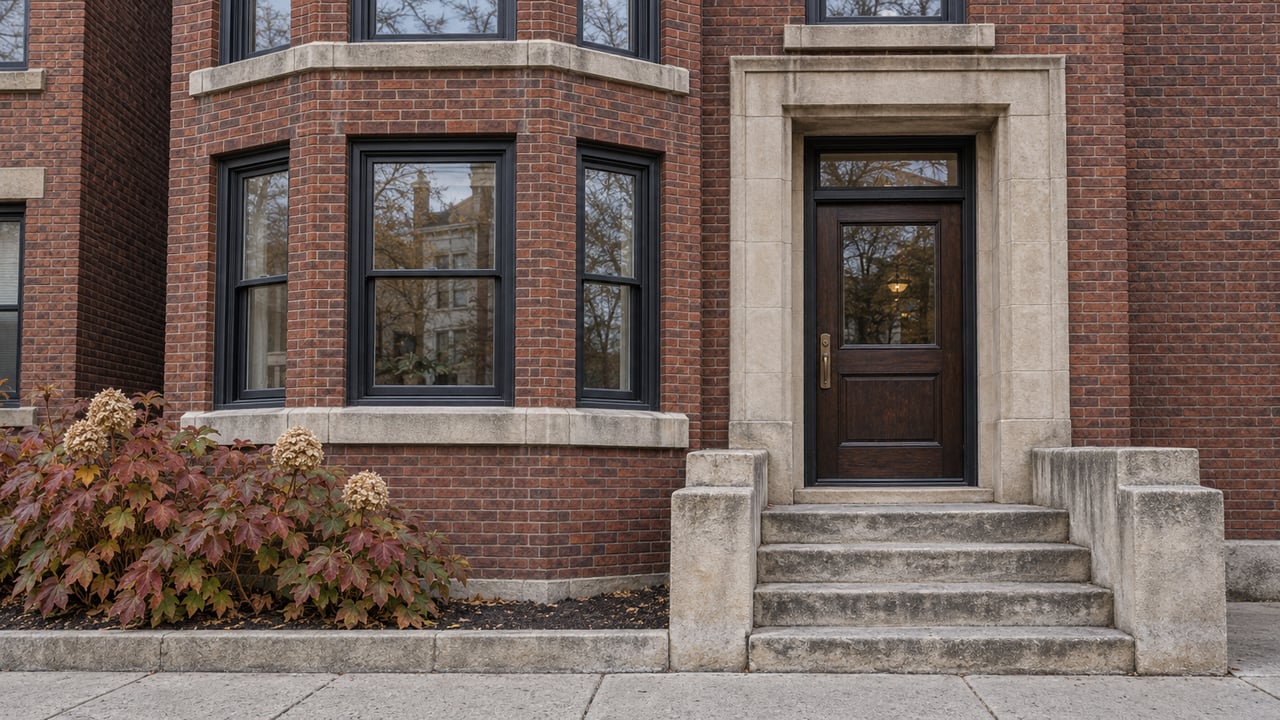
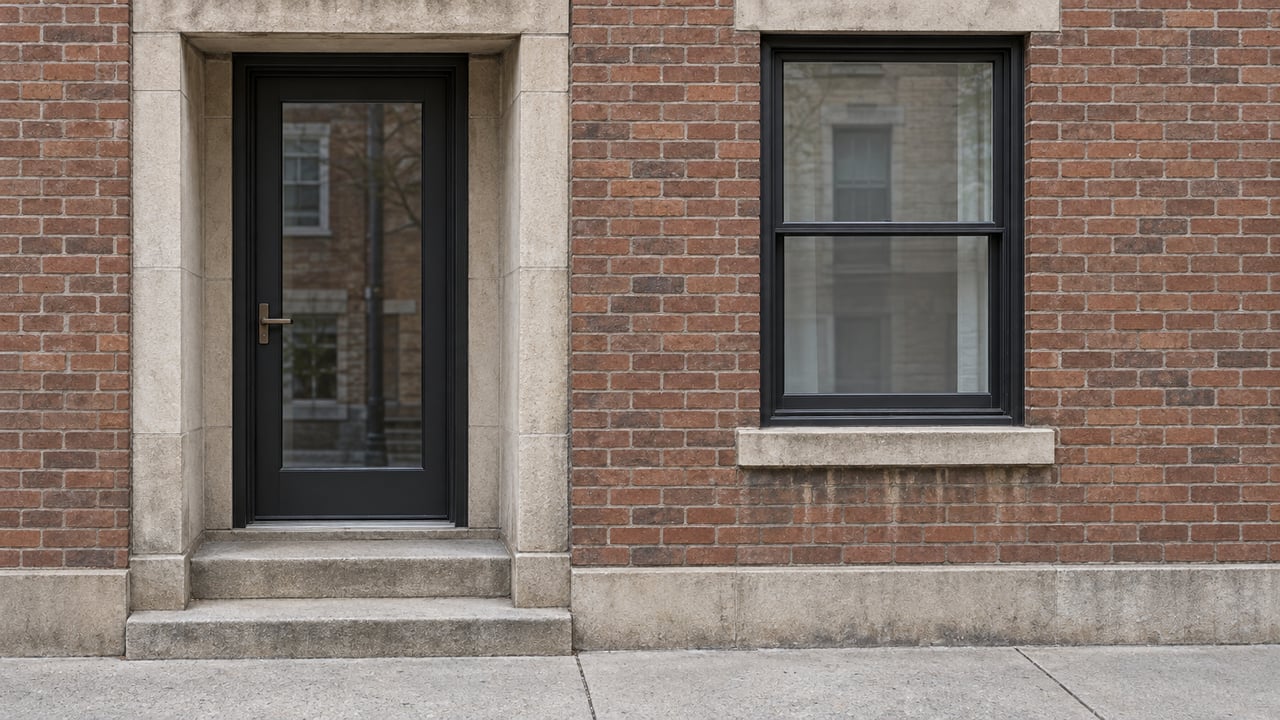
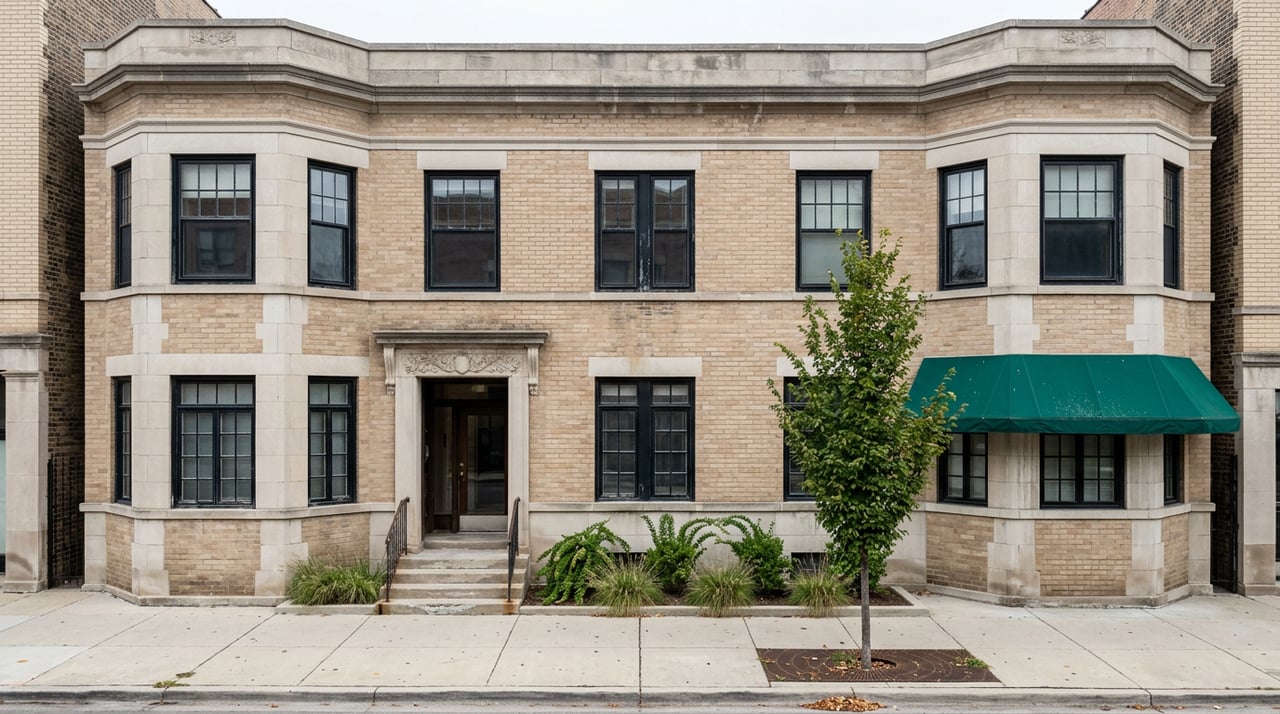
A greystone is a Chicago rowhouse or small multi-unit masonry building with a gray stone facade, most often limestone, built from the late 1800s through the early 1900s. In Wicker Park, you will see two- to four-unit buildings set on narrow lots with a raised first floor and a full basement. Many sit on walkable streets near transit, retail, and the park itself.
Defining exterior features you will notice:
- Stone veneer in gray tones with carved details and decorative cornices.
- A raised stoop with a partially below-grade garden or English-basement unit.
- Bay windows or projecting bays that bring in light and add space.
- Flat roofs with parapet walls and original chimneys.
- Shared party walls, narrow lot widths, and small rear yards with alley access.
If a block falls within a local landmark district, exterior changes usually require review by the City. The City of Chicago provides guidance through the Commission on Chicago Landmarks.
Wicker Park context
Wicker Park is a near-northwest Chicago neighborhood known for its walkability, CTA Blue Line access at Damen, bike lanes, and a mix of historic and newer housing. Many greystones here are clustered near Milwaukee Avenue, Division Street, and Damen Avenue, which helps support long-term demand for both owners and renters. Some blocks are part of local or national historic districts. This can affect what you can do to the exterior and may open doors to preservation guidance or incentives.
Greystone floor plans and mixes
You will most often see three basic setups:
- Two-flat. Often a duplex across the garden and raised first floor, plus an upper full-floor unit, or two stacked full-floor flats.
- Three-flat or four-flat. Stacked full-floor apartments, sometimes with a garden unit plus full-floor flats above.
- Single-family conversion. Some greystones have been combined into one residence, especially on wider lots.
Typical interior layouts
- High ceilings, often 9 to 12 feet on main floors.
- A formal front parlor or large living room, separate dining room, and original compact kitchens toward the rear.
- Hardwood floors, plaster walls with crown moldings, and decorative fireplaces or mantels.
- Shared stairwells in multi-unit buildings, with basements used for mechanicals, storage, laundry, or a rental unit.
Modern changes you will see
- Updated kitchens and baths while keeping moldings and mantels.
- Wall removals at the rear to create open kitchens.
- New central HVAC, upgraded electrical service, and new plumbing stacks.
- Roof decks or rear additions where zoning and structure allow.
These patterns matter for buyers. Full-floor flats attract renters who like historic character. Garden or duplex units can improve flexibility and raise per-unit rent potential. Older layouts often have small kitchens and baths, which are common renovation priorities.
Renovation and maintenance essentials
Historic buildings reward care. Before you buy, plan for building envelope and structure first, then systems.
Exterior and structure
- Masonry and stone veneer. Look for cracked stone, spalled surfaces, or failing mortar joints. Tuckpointing and selective stone repair are routine over time.
- Parapet walls and cornices. These are prone to water intrusion and freeze-thaw cycles. Loose cornice elements create safety risks and can be costly to fix.
- Stoops and metalwork. Railings and stairs rust or settle and may need repair or replacement to meet code.
- Roof and drainage. Flat roofs depend on intact membranes, clear drains, and proper flashing. Regular inspections prevent interior water damage.
- Foundation and basement waterproofing. Older basements can be damp. Check for settlement cracks, stepped footings, and moisture issues.
Systems and interior hazards
- Heating. Many greystones still have older boilers or steam systems. They work well when maintained but have finite lifespans.
- Electrical. Buildings may have upgraded wiring, yet panel capacity often needs verification, commonly 100 to 200 amps.
- Plumbing. Original galvanized supply lines and cast-iron stacks can rust or clog. Sewer laterals may require evaluation and replacement.
- Lead paint and asbestos. Built before 1978 means lead paint is likely. Asbestos may exist in pipe insulation and some finishes. If you plan to disturb these materials, certified inspection and abatement are required.
- Energy efficiency. Exterior walls may lack modern insulation and windows may be original single-pane. Balance efficiency upgrades with preservation goals.
Typical lifespans to budget for
- Asphalt flat roof membrane: about 20 to 30 years.
- Boilers: about 15 to 30 years, depending on type and care.
- Windows: original wood windows can last decades with maintenance.
- Masonry repointing: periodic over the decades, based on exposure and mortar quality.
Code, permits, and landmark rules
Greystones are straightforward to own when you follow the rules. Here are the key steps and resources.
- Permits and code. Most substantial work requires permits and must meet the Chicago Building Code. Start with the Chicago Department of Buildings for permit guidance and inspections.
- Landmark review. If a property is in a local landmark district or is individually designated, exterior changes generally need approval by the Commission on Chicago Landmarks. Interior work that does not alter the exterior is often less regulated.
- Zoning and density. Zoning controls unit counts, additions, and floor area. Verify a lot’s zoning and allowed floor area through the interactive Chicago Zoning Map. Consult a zoning professional or land use attorney before planning unit changes.
- Condo conversions. Converting a multi-unit to condominiums is regulated and requires legal counsel, filings, and compliance with city and state rules.
Incentives and credits
- Federal Historic Rehabilitation Tax Credit. A 20 percent credit is available for certified rehabilitations of income-producing historic buildings that meet federal standards. Learn more from the National Park Service tax incentives program. This does not apply to owner-occupied single-family use.
- State and local programs. Availability changes. Check with the Illinois State Historic Preservation Office at the Illinois SHPO and City of Chicago preservation staff to see what is active.
Value drivers in Wicker Park
Understanding what the market rewards helps you buy with confidence.
- Location and access. Proximity to the CTA Blue Line at Damen, buses, bike lanes, restaurants, retail, and Wicker Park’s green space supports value and rentability.
- Historic character. Original mantels, moldings, and hardwood floors often command a premium among character-focused buyers.
- Unit mix and rental potential. Two- to four-unit properties with rentable flats and garden units appeal to both investors and owner-occupants seeking offset income.
- Room to expand. Rear additions and roof decks can add usable space where zoning allows.
- Condition. Buildings with updated roofs, masonry, and mechanicals typically trade at a premium compared to properties with deferred maintenance.
Market performance reflects both neighborhood demand and broader Chicago trends, including the supply of renovated condos and new construction. For investment decisions, work from current comps and rent surveys before you write an offer.
Due diligence checklist
A strong pre-offer and pre-closing process protects your budget and timeline.
Before you write an offer
- Confirm legal unit count and occupancy in public records. Start with the Cook County Assessor property records and the City’s permit history.
- Review past permits and scope of work through the Chicago Department of Buildings.
- Walk the property with a licensed structural engineer who knows masonry rowhouses.
- Order masonry and roof condition assessments, including parapets, drains, and flashing.
- Inspect mechanicals, plumbing, electrical service capacity, and hot water systems.
- Evaluate basement moisture, sewer laterals, and exterior drainage.
- Commission lead paint and asbestos surveys if any surfaces will be disturbed.
While under contract
- Build a budget for immediate repairs flagged by inspectors.
- Secure estimates for major items such as tuckpointing, roof replacement, boiler or electrical upgrades, and waterproofing.
- Verify zoning and permit feasibility for your plan through the Chicago Zoning Map and, if needed, a land use attorney.
- If in a landmark district, engage the Commission on Chicago Landmarks early for exterior review.
Recommended team
- Real estate attorney experienced with Chicago multi-unit and historic properties.
- Structural engineer with masonry rowhouse expertise.
- Historic preservation consultant if pursuing incentives or working within a landmark district.
- Masonry and general contractors experienced in greystone renovations and Chicago permitting.
- Certified lead and asbestos professionals.
- Property manager if you plan to hold units as rentals.
Your next steps
If a greystone in Wicker Park is on your shortlist, start by clarifying your goal. Do you want owner-occupied with a rental, a pure multi-unit investment, or a long-term single-family conversion? Then line up inspections and permits strategy before you negotiate price. A focused plan protects your upside and avoids costly surprises.
You do not have to figure it out alone. If you want investor-grade analysis, neighborhood intel, and a smooth purchase process, reach out to Alejandro Trujillo. Alejandro pairs deep multi-family experience with education-first guidance, in English or Spanish, so you can buy with confidence in Wicker Park.
FAQs
What is a Chicago greystone in Wicker Park?
- A greystone is a late 19th to early 20th century Chicago rowhouse or small multi-unit building with a gray stone facade, often limestone, found widely in Wicker Park on narrow lots with flat roofs and raised stoops.
What renovations tend to cost the most on greystones?
- Big-ticket items often include masonry tuckpointing or stone repair, parapet and cornice restoration, flat roof replacement, boiler upgrades, electrical service expansion, plumbing stack or sewer lateral work, and basement waterproofing.
Do I need permits to update a landmarked greystone?
How do I confirm if a garden unit is legal in a Wicker Park greystone?
Can I use historic tax credits on a greystone rehab?
How long do roofs, boilers, and windows last in older greystones?
- Expect about 20 to 30 years for many flat roof membranes, 15 to 30 years for boilers depending on type and maintenance, and decades for original wood windows with proper upkeep, plus periodic masonry repointing over time.