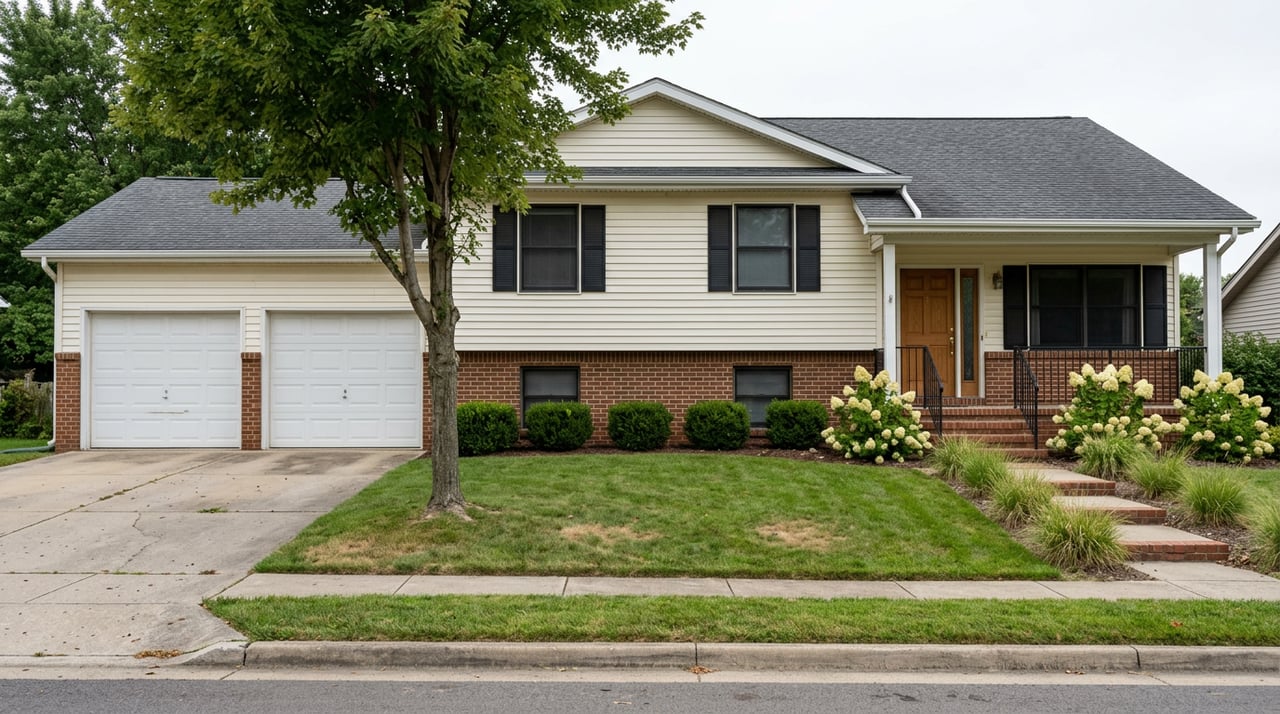
How TIF Redevelopment May Shape Westchester IL Home Values
August 20, 2026
August 20, 2026
A buyer touring a colonial off Roosevelt Road this month asked her agent a fair question: now that the village is finally doing something with that empty office site at Mannheim and Roosevelt, does that mean property values on this block are about to move? The honest answer is more complicated than the Culver's sign suggests, and it turns on a piece of municipal finance most buyers never think to ask about until they already own the house.
The Village of Westchester has approved a terms sheet to move forward on the long-vacant parcel at 1107 South Mannheim Road, a 3.8-acre site that has sat as three underused office buildings for years. The development partner is XCeed Commercial Real Estate, working alongside a Culver's franchisee, and the project is tied to a new Roosevelt/Mannheim Road tax increment financing district. The village's Joint Review Board met on the proposal May 27, 2026, and a public hearing to formally consider the redevelopment plan and the TIF designation was held June 23, 2026 at Village Hall on West Roosevelt Road.
That timeline matters for how you read what happens next. A TIF hearing is not a ribbon cutting. It is the start of a financing structure that will shape this corner of Westchester for up to 23 years, and understanding how that structure works explains something buyers often miss when they compare Westchester to a nearby village like La Grange on price alone.
When a municipality creates a tax increment financing district in Illinois, the assessed value of every property inside the boundary gets frozen at whatever it's worth on the day the district is designated. That frozen number is called the base equalized assessed value. School districts, the library, the township and every other overlapping taxing body keep collecting their normal share of taxes on that frozen base for the life of the district. But any growth in assessed value above that base, the increment created by the new construction and rising valuations the redevelopment is supposed to generate, gets diverted into a special fund the village controls to pay down the costs of the project itself: site prep, infrastructure, the incentive package that brought the developer to the table.
That structure is why a new Culver's and a redeveloped commercial parcel do not translate into an immediate bump in what the local schools or library receive. The growth is real, but for the length of the TIF, most of it belongs to the fund that built the project, not to the tax rolls the rest of the community draws from. Illinois law caps a standard TIF at 23 years, with the possibility of extension, and the district only winds down and returns full value to the regular tax base when it's paid off or dissolved.
None of this means the TIF is bad policy or a bad sign for the corridor. It means the benefit shows up on a different clock than the construction crews do. Water main work and street resurfacing are already underway across several Westchester streets this summer as part of routine infrastructure projects, so residents will see visible change on a normal municipal timeline. The tax base effect of the Roosevelt/Mannheim project follows a much longer one.
This is where the TIF story connects to something buyers notice on portals and can't quite explain: Westchester's home prices sit meaningfully below nearby La Grange, even though the two villages are a short drive apart and pull from overlapping school and commute patterns.
Part of the answer is land use, not charm. Westchester's commercial corridor along Mannheim, Roosevelt and Wolf Road carries a lot of the village's retail tax base, including older strip centers like the one at 1901-1925 South Mannheim Road, a 1951-built, 17,871-square-foot center that trades at roughly an 8 percent capitalization rate with full occupancy. That's a corridor built for drive-up retail economics, not for the kind of walkable downtown that commands a residential premium. La Grange's downtown, by contrast, functions as the village's identity, and its housing stock is priced accordingly.
The numbers bear this out, and lining up the same month across all three markets makes the gap easy to see.
| Market | Median sale price | Time window | What it tells you |
|---|---|---|---|
| Westchester | $394K | 3 months ending May 2026 | Up 5.0% year over year, homes averaging 7 offers and 40 days on market |
| La Grange (village) | $644,900 | May 2026 | 52 homes sold that month, up from 44 the year before |
| La Grange Park | $508,945 | May 2026 | Up 13.3% year over year, a steadier comp for La Grange-adjacent housing stock |
Even La Grange Park, the more affordable neighbor to La Grange proper, still runs well above Westchester's median for the same spring window. The gap is real. It is built more on land use mix and downtown density than on any single amenity a buyer could point to on a tour.
If you're considering a home within walking distance of Mannheim and Roosevelt, the practical move is to ask two separate questions rather than one. First, what is actually being built and when, since that shapes daily life and near-term curb appeal. Second, does the property sit inside the proposed TIF boundary, since that affects how long it takes for new commercial investment to show up as relief in the taxing bodies that serve your household rather than the village's redevelopment fund. Those are different clocks, and conflating them is the single most common mistake buyers make when they hear "redevelopment" and assume it means "tax bill going down soon."
The flip side is worth naming too. A TIF designation is the village committing capital and negotiating leverage to a corner that has sat vacant for years. Whatever the tax timeline, a filled parcel with active tenants tends to support the surrounding commercial vacancy rate and foot traffic in a way an empty office building never will. Buyers weighing Westchester against La Grange right now are really weighing an established, premium-priced downtown against a corridor in the early stages of a long, publicly documented investment cycle. Neither answer is wrong. They're just priced on different timelines, and now you know which one you're actually buying into.
Does a new TIF district raise my property taxes right away? No. A TIF freezes the assessed value used by other taxing bodies at the time the district is created. Your tax rate and bill are governed by the same levies and rate limits as before, not by the TIF designation itself.
How long does the Roosevelt/Mannheim TIF last once it's approved? Illinois law caps TIF districts at 23 years, with the possibility of extension through state legislative approval. The increment generated inside the district goes toward redevelopment costs for that period before the full assessed value returns to the regular tax rolls.
Is the Mannheim and Roosevelt project definite at this point? As of the June 23, 2026 public hearing, the village had a terms sheet and was formally considering the redevelopment plan and TIF designation. Buyers should treat it as an active, documented process rather than a finished project, and confirm current status with the village or their agent before making assumptions about timeline.
Understanding how a TIF actually pays for itself, and how long that payoff takes, is the kind of detail that separates a casual read of a listing from a clear-eyed read of a market. If you're weighing Westchester against La Grange or any other close-in suburb, Alejandro Trujillo Group can walk through what a specific address's tax and redevelopment picture actually looks like before you write an offer. Get Your Instant Home Valuation to start the conversation.
With a focus on continuing to educate their agents and continued attention to an amazing culture they have built, Alejandro & Mike have a huge vision for RE/MAX NEXT and their clients and work every day to achieve it.

ALEJANDRO TRUJILLO
LAKEVIEW 3401 N Broadway St Chicago IL 60657 GOLD COAST 1207 N Dearborn St Chicago IL 60610