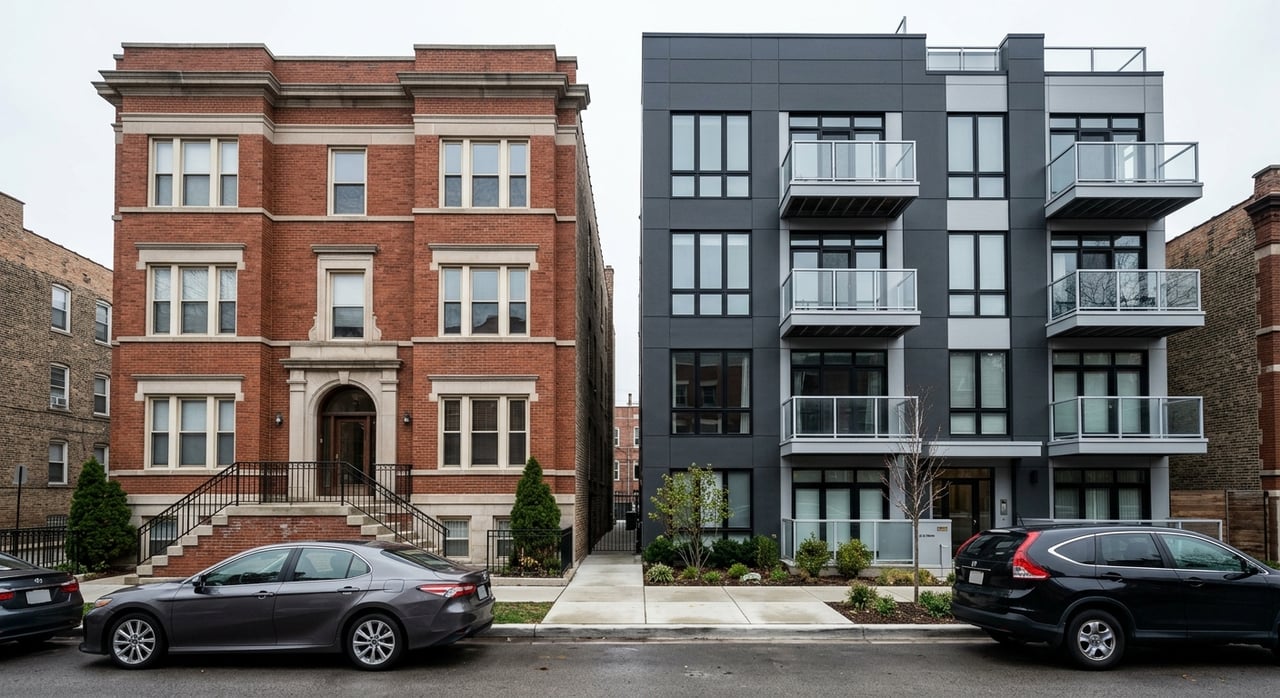
Wicker Park Condo Buying Guide: Vintage vs. Modern
July 9, 2026
July 9, 2026
Wondering whether a vintage condo or a modern condo makes more sense in Wicker Park? You are not alone. In a neighborhood known for historic architecture and newer residential development, the choice often comes down to more than style. If you understand how layout, upkeep, monthly costs, and building rules can differ, you can make a smarter decision with fewer surprises. Let’s dive in.
Wicker Park is one of Chicago’s most architecture-rich neighborhoods. The City of Chicago identifies the Wicker Park district as a Chicago Landmark district, with buildings dating roughly from 1870 to 1930. That long building history helps explain why buyers here often compare older, character-filled condo homes with newer, more standardized options.
The neighborhood’s historic identity is visible in its streetscape. The Wicker Park Historic District is known for late-19th-century Italianate, Queen Anne, and Romanesque architecture. At the same time, Wicker Park and nearby Bucktown are also known for shopping, nightlife, vintage stores, and access to the 606, which gives the area a strong blend of old and new.
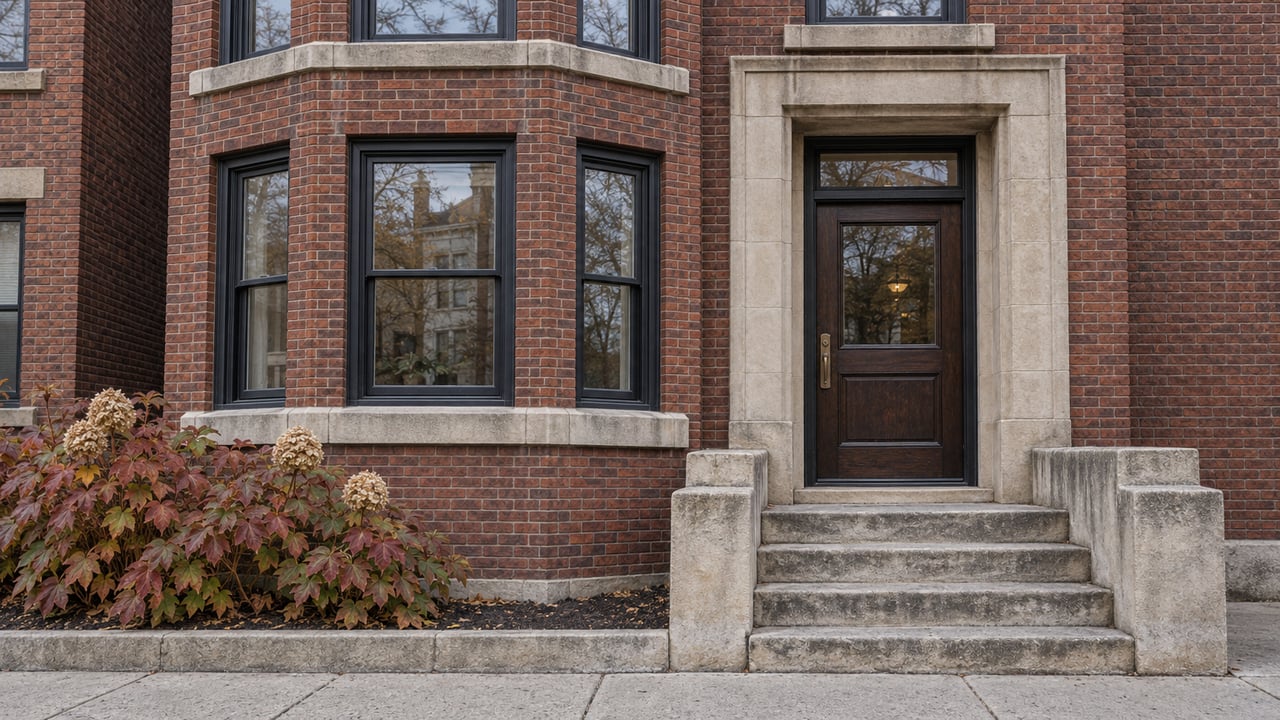
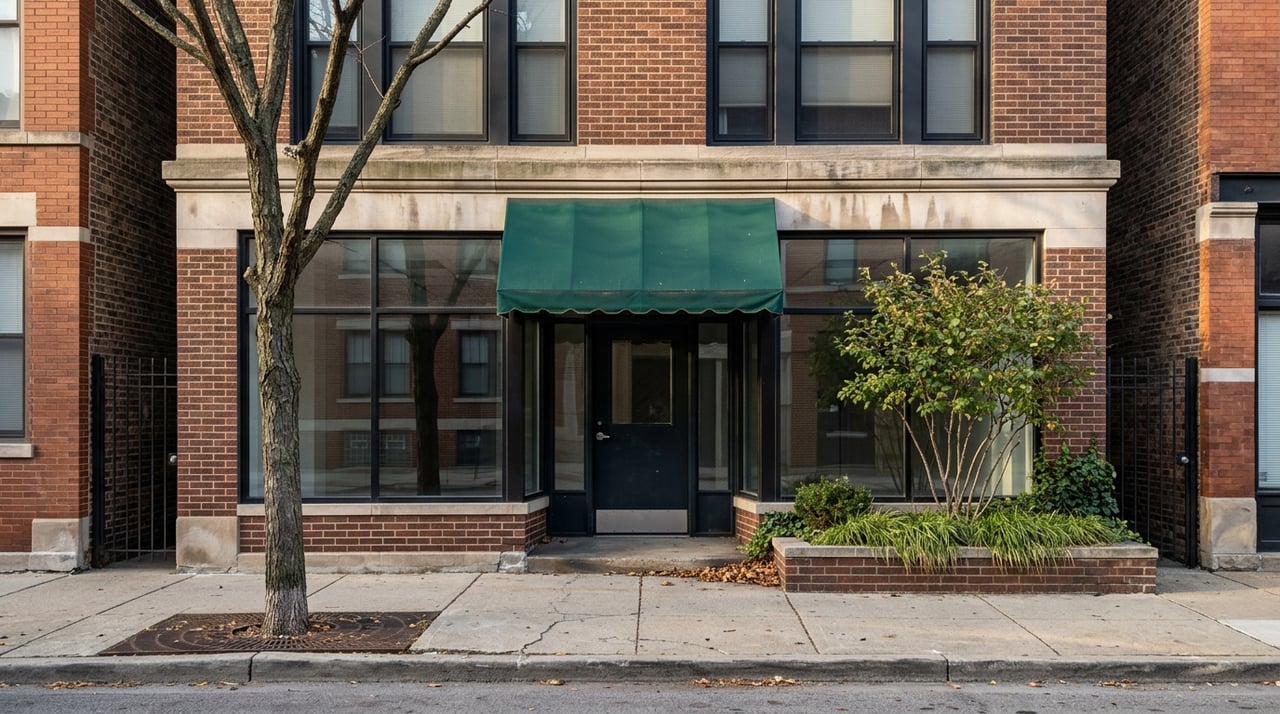
Vintage condos in Wicker Park often stand out for architectural detail and individuality. Older Chicago homes and apartment buildings commonly include features like pocket doors, bay windows, and more separated rooms. Many buyers like that these homes feel distinct instead of cookie-cutter.
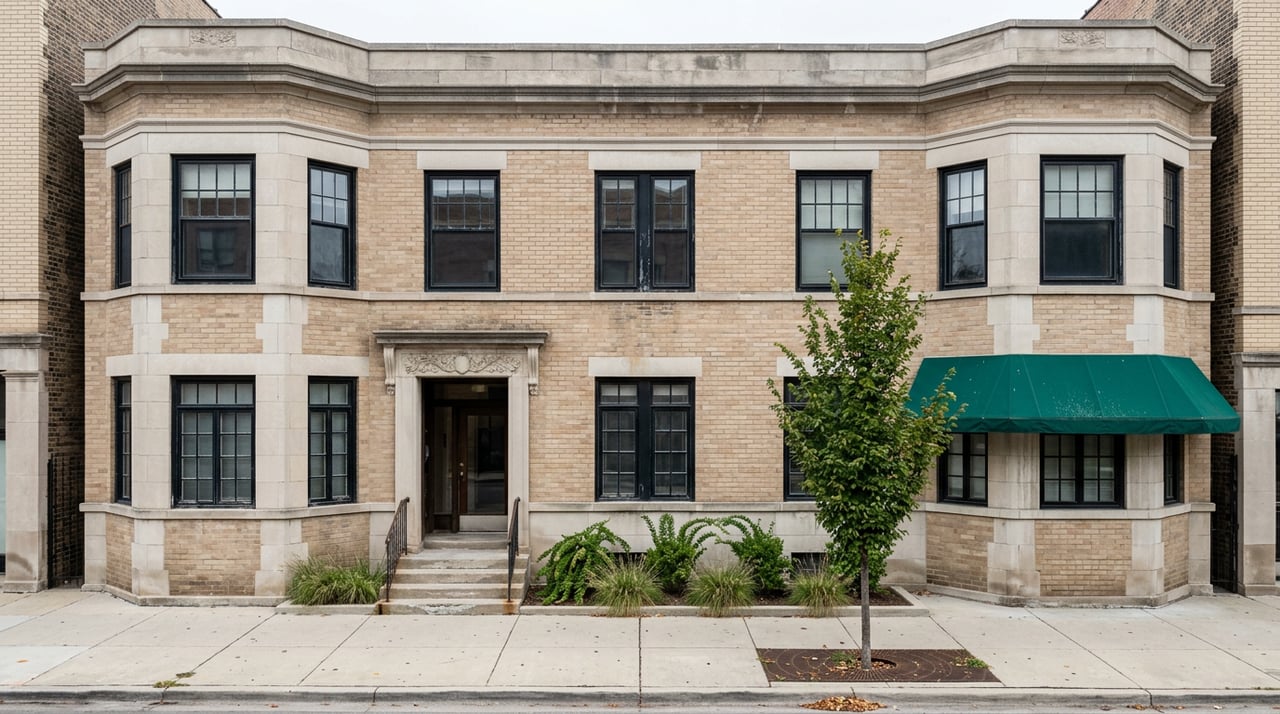
You may also see courtyard buildings, which are often three- to four-story brick structures with semi-public courtyards and separate entrances. In practical terms, that can make a vintage condo feel more like a converted house or a prewar apartment than a newer condo building. If you value charm and a smaller-building feel, this can be a major plus.
That said, vintage does not automatically mean better or worse for everyday living. Older layouts may feel more compartmentalized than open, and sound or privacy can vary from building to building. During showings, it helps to pay close attention to how the unit feels in real time rather than assuming all older buildings perform the same way.
Modern condos in Wicker Park often appeal to buyers who want predictability and convenience. Contemporary Chicago condos and apartments tend to use open floor plans and kitchen islands. That usually means a more familiar layout, newer finishes, and a more streamlined day-to-day experience.
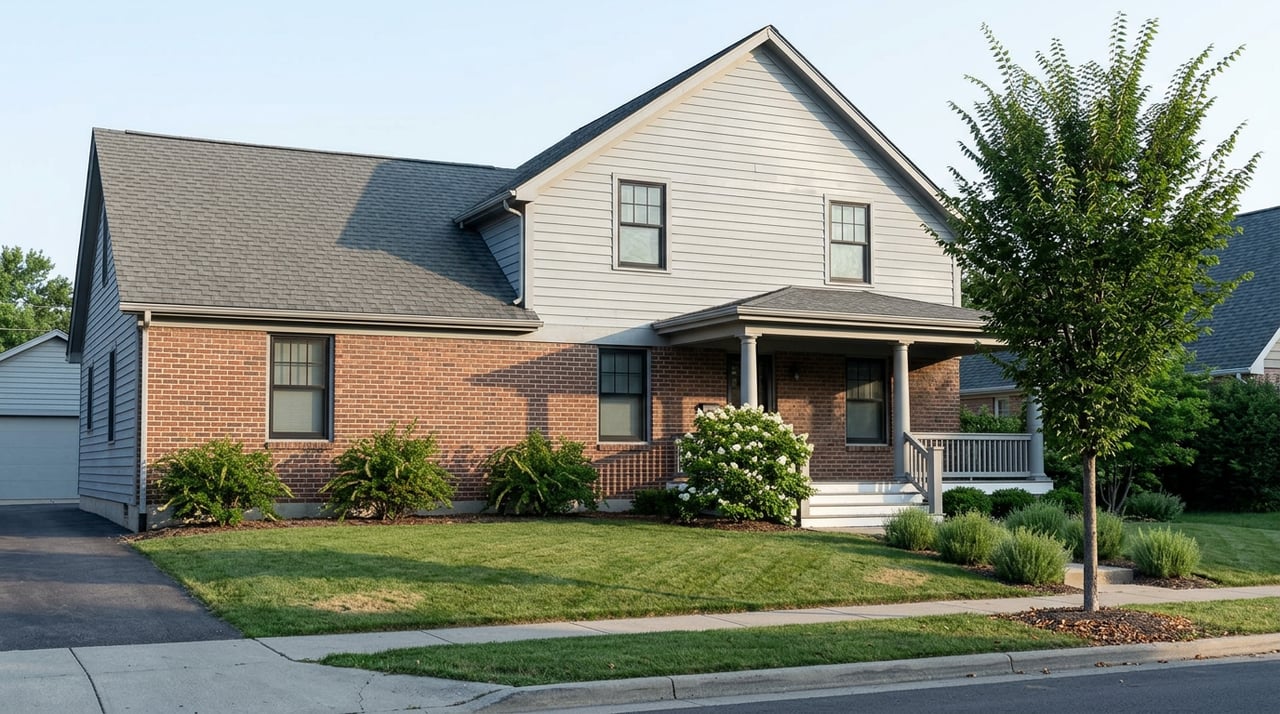
You may also find that modern buildings offer a wider range of building types, from midrise condos to garden-style or multistory layouts. For many buyers, the biggest benefit is consistency. Units may feel easier to compare because finishes, floor plans, and systems are often more standardized than in vintage buildings.
Modern condos can also feel simpler from a lifestyle standpoint. If you want newer common areas, less architectural variation, and a more current floor plan, modern may check more boxes. Still, the convenience often comes with higher shared costs, especially if the building maintains more common features.
When you compare vintage and modern condos in Wicker Park, the asking price is only part of the story. Monthly assessments can shape affordability just as much as the mortgage. That is especially true when two condos have similar square footage but very different building needs.
In general, buildings with more amenities or more shared systems may carry higher monthly assessments because those items need ongoing maintenance and funding. Fannie Mae notes that condo fees generally cover exterior and common-area repairs and maintenance, and often include water, sewer, trash, and sometimes recreational amenities. They can also help build reserves for future repairs.
That creates an important tradeoff. A modern condo may offer more convenience and a smoother day-to-day experience, but you may pay for that convenience every month through higher assessments. A vintage building may have fewer shared amenities, but older major components can create a different kind of financial risk if maintenance has been delayed.
If you are buying a condo in Illinois, association finances deserve close attention. Under Illinois condominium law, the association must provide each unit owner with a proposed annual budget before it is adopted, along with an annual itemized accounting. Boards may also levy regular or special assessments.
The law also matters when increases are significant. If current-year assessments would exceed 115% of the prior year’s total, a 20% owner petition can trigger a meeting. In addition, reserve waivers may be allowed by a two-thirds vote, but those waivers must be disclosed in financial statements and in responses to prospective buyers.
This is where condo comparisons become more real. A vintage building may have more deferred-maintenance risk, while an amenity-rich modern building may have higher recurring assessments because it funds more shared features each month. Neither outcome is automatic, but the financial documents can tell you a lot about which building is being managed more responsibly.
Unpaid assessments can also become a lien on the unit owner’s interest in the property. That is one more reason to understand the association’s budget, policies, and financial health before you commit.
In Wicker Park, historic status can influence what you can change. In Chicago landmark districts, permit applications are reviewed for significant historical and architectural features. For most landmark districts, those features are usually the exterior elevations visible from the public right-of-way.
If you are looking at a vintage condo, ask early about planned or future exterior work. Facade work, window replacement, porch changes, or rooftop changes may require landmark review. That does not mean you should avoid a vintage condo, but it does mean renovation timelines and costs may look different than they would in a non-landmark setting.
This matters most if you want to personalize a property over time. Interior character may be what draws you in, but building-level exterior projects can affect your budget and expectations. A clear conversation with the association can help you understand those limits before they become a surprise.
No matter which style you prefer, the best condo decision usually comes down to documents, not just finishes. The most useful items to review include:
If you are leaning vintage, focus on the age and condition of major building components, how much original character remains, and whether exterior work may be affected by landmark review. If you are leaning modern, look closely at what the monthly assessment actually includes, what shared amenities are being maintained, and whether the reserve plan looks credible.
Lenders also tend to review a condo building’s physical condition, financial stability, structural debts, lawsuits, and mandatory inspections. They may also look at special assessments, reserve balances, the remaining useful life of major components, and the master insurance policy. That means your financing process may reflect building quality as much as unit appeal.
If you love architectural detail, unique layouts, and the feel of a smaller or older building, a vintage condo may be the better fit. You may give up some predictability, but you could gain character that is hard to replicate in newer construction. For many Wicker Park buyers, that is a worthwhile trade.
If you prefer open layouts, newer finishes, and a more convenience-oriented setup, a modern condo may feel easier to live with day to day. You may pay more in monthly assessments, but the tradeoff can be a more predictable ownership experience. The right answer depends on how you want to live, not just what photographs best online.
In Wicker Park, the vintage-versus-modern decision is really about matching the building to your priorities. When you compare layout, monthly costs, reserves, and future maintenance together, the better fit usually becomes much clearer.
If you want help comparing Wicker Park condos with a sharper eye on value, building health, and long-term fit, connect with Alejandro Trujillo. You will get clear guidance, local insight, and a practical strategy tailored to your goals.
With a focus on continuing to educate their agents and continued attention to an amazing culture they have built, Alejandro & Mike have a huge vision for RE/MAX NEXT and their clients and work every day to achieve it.

ALEJANDRO TRUJILLO
LAKEVIEW 3401 N Broadway St Chicago IL 60657 GOLD COAST 1207 N Dearborn St Chicago IL 60610